
 Iron & Steel
 Power
Power
 Plywood & Lamination
 Sugar
Sugar
 Tea
Tea
 Oil & Gas
 Solar & Wind
 Agriculture
 Chemical
 Food Product
 Real Estate & Construction
 Logistics
 Automobile

.jpg)





From Mechanical Failure to Claim Settlement: A Case Study on Flywheel Damage in an Iron & Steel Plant
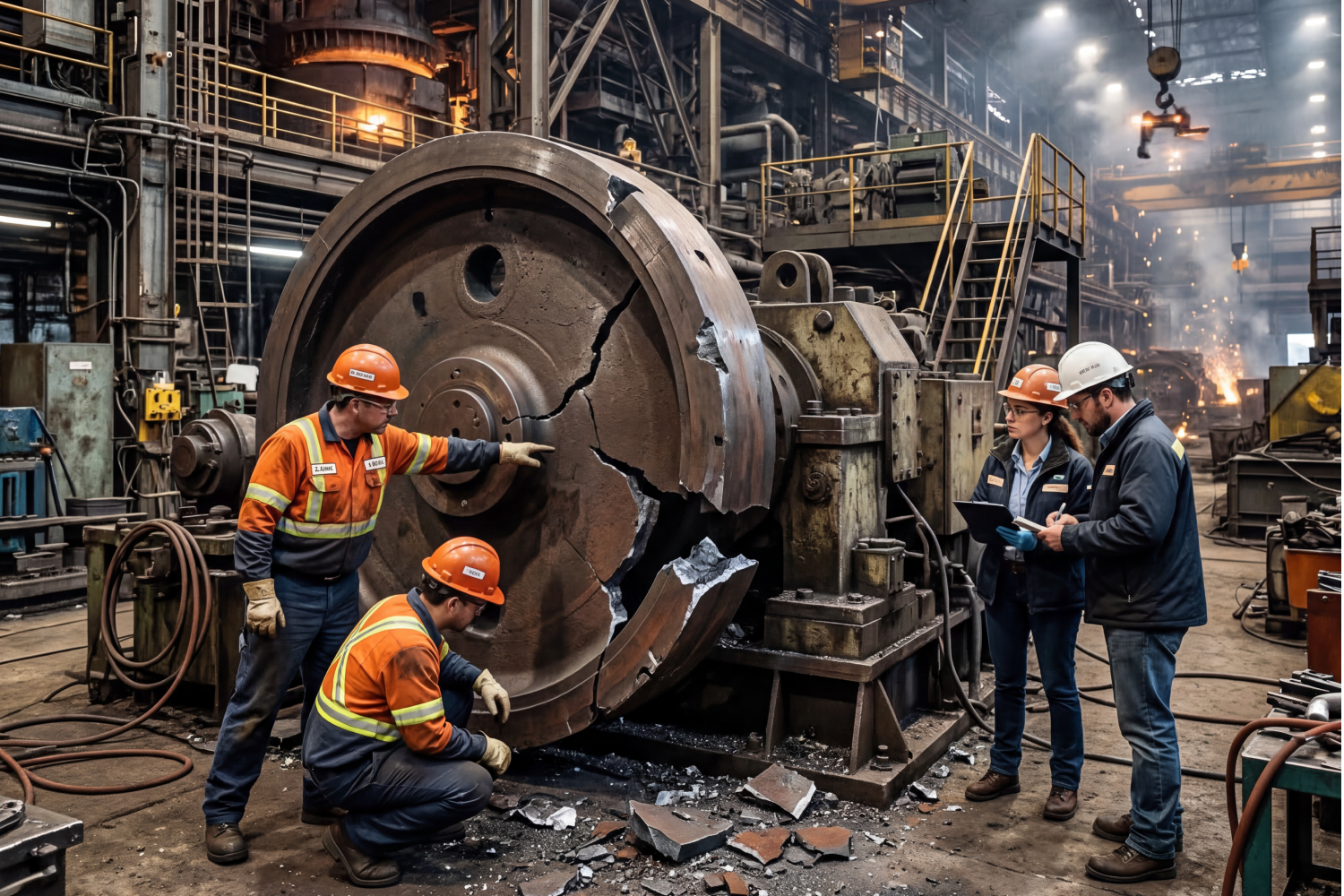
Date of Loss : 7th March 2024
Subject : Special Case Study on Claim
Client : A Leading Iron & Steel Manufacturer
Type of Claim : Accidental Damage to Flywheel at Shed No. 4
Claimed Amount : Rs. 1,09,50,000/-
Final Settlement Amount : Rs. 44,69,095/-
Items Affected : Flywheel with shaft along with associated properties
Industry : Plywood/Wood-Based Panel Manufacturer
Reason for Deviation
a) Due to the incident, the broken parts of the flywheel were reportedly scattered within a radius of a few hundred meters after braking and tearing apart the roof shed. The surveyor advised that the affected flywheel components be retrieved and brought back to the factory premises to ascertain the actual quantum of loss.
b) The insured had procured a higher-capacity flywheel; however, during reinspection it was observed that the original flywheel had not been reinstated with an identical replacement, resulting in certain deviations noted in the assessment.
Brief Details of the Claim
During normal operations, all eight (8) mill stands were functioning in sound condition. At approximately 5:10 p.m., a loud noise was heard from Mill Stand No. 4 and Stand No. 5, following which the entire surrounding area was engulfed in dust, indicating a major accidental damage.
Unique Features of the Claim
The insured had not maintained essential operational and maintenance documentation, including:
- Production logbook
- Maintenance log sheets
- Standard Operating Procedures (SOP) for Rolling Mill operations
The absence of these records significantly impacted the assessment process.
Major Challenges Associated with the Claim
- Multiple OEMs were involved in the manufacturing and supply of the affected components, making it practically difficult to ascertain the exact cause of loss and quantify the extent of damage conclusively.
- Absence of relevant operational data, including production and maintenance records, restricted the ability to determine any pre-existing mechanical defects or operational lapses, if any.
- Several affected components were scattered beyond the factory premises due to the force of the explosion, making recovery and verification of damaged parts extremely challenging.
- The insurer raised concerns regarding a substantial amount reflected under Capital Work-in-Progress (CWIP) in the balance sheet (approximately Rs.135 Crores at the beginning of FY 2023–24), which had not been disclosed to the underwriting office at the inception of the policy. The insurer sought clarification as to whether such CWIP was insured under any separate project policy and whether the same should be considered as part of the value at risk for determining underinsurance under the IAR Policy.
Unique Features of the Claim
The insured had not maintained essential operational and maintenance documentation, including:
- Production logbook
- Maintenance log sheets
- Standard Operating Procedures (SOP) for Rolling Mill operations
The absence of these records significantly impacted the assessment process.
Actions Taken by Salasar to Address the Issues
- Advised the insured to obtain a detailed technical report from a competent OEM, which could serve as a foundational document for validation by other OEMs and substantiate the probable cause and extent of damage.
- Provided guidance to the client on preparing structured operational records and logbooks to support their contention that the loss was purely accidental in nature.
- Successfully convinced the surveyor to consider the scrap value based on the actual weight of the affected rolling mill machinery, despite the inability to recover all scattered components.
- In respect of the discrepancy between the capacity of the old flywheel and the newly procured flywheel, we persuaded the surveyor to consider the replacement cost of the new flywheel, subject to a reasonable deduction towards betterment/improvement, which was ultimately accepted.
- Regarding the issue raised on CWIP and balance sheet anomalies, it was represented that the IAR Policy under which the claim was lodged was in force from 24/08/2023 to 23/08/2024. At the time of inception of the operational cover, a portion of the CWIP pertained to a project still under erection, which was subsequently commissioned on 15th March 2024 (supported by a Chartered Accountant’s Certificate).
It was clarified that:
- CWIP under erection at the time of policy inception was not eligible for inclusion under the operational IAR Policy.
- The commissioning occurred after the date of loss (7th March 2024).
- Accordingly, it was firmly submitted that CWIP ought not to be considered as part of the Sum Insured for assessing adequacy or underinsurance under the subject IAR Policy.
Final Conclusion
Through continuous follow-ups, technical coordination, and structured representation before both the insurer and the surveyor, Salasar successfully facilitated a fair and reasonable claim settlement of Rs.44,69,095/-.
The matter was concluded to the satisfaction of the client, demonstrating effective claim strategy, technical handling, and negotiation support in a complex industrial loss scenario.
From OEM Objections to Resolution: Navigating a Complex Gearbox Breakdown Claim
 November 26, 2025
 SCI-CLM-01-CEMT-NOV-25
Vanishing Cargo, Fake Licenses, and the Fight for a Fair Settlement-Case Study on Non-Delivery of the Entire Consignment
January 2, 2026
SCI-CLM-02-CARGO-DEC-31
A Case Study on Transformer Fire Claim Resolution After a High Voltage Surge
January 22, 2026
SCI-CLM-03-PLYWOOD-JAN-22
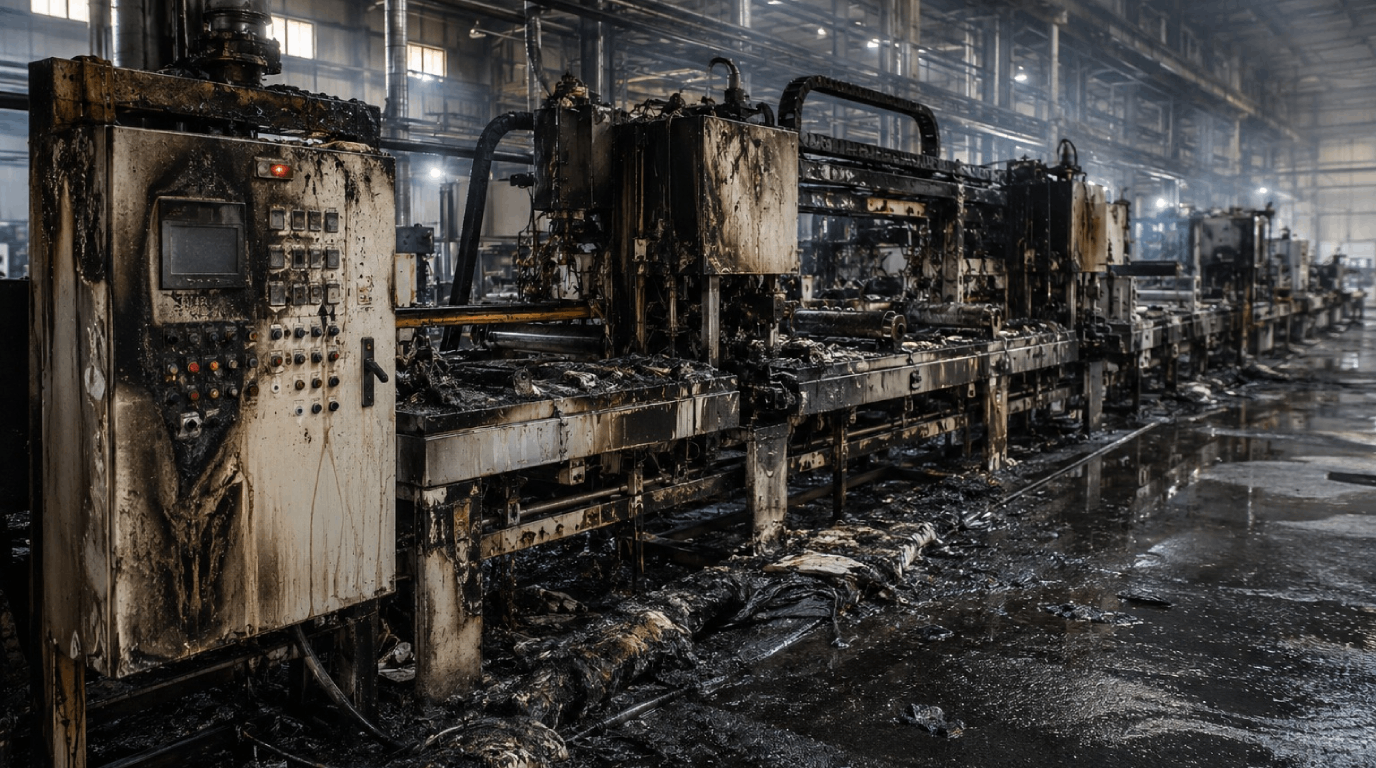
From Partial Damage Assessment to Total Loss Recognition: Resolving a Complex Fire Claim in an Edge Banding Facility
May 22, 2026
SCI-CLM-05-MANUFACTURING-MAY-26
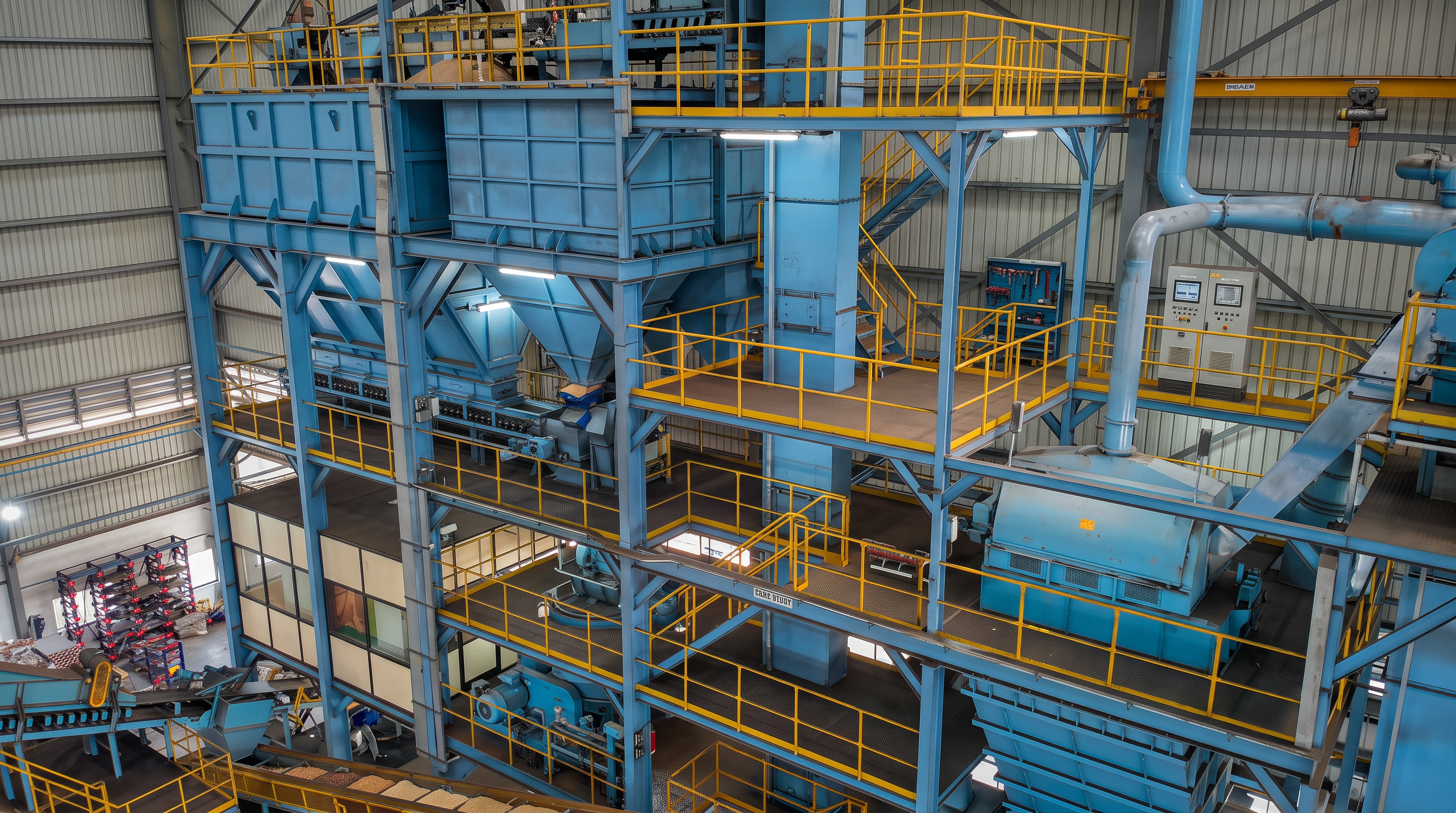
Resolving a Coverage Dispute Following Damage to an Industrial Moisture Sensor under an Electronic Equipment Insurance Policy
July 20, 2026
SCI-CLM-06-MANUFACTURING-JUL-26
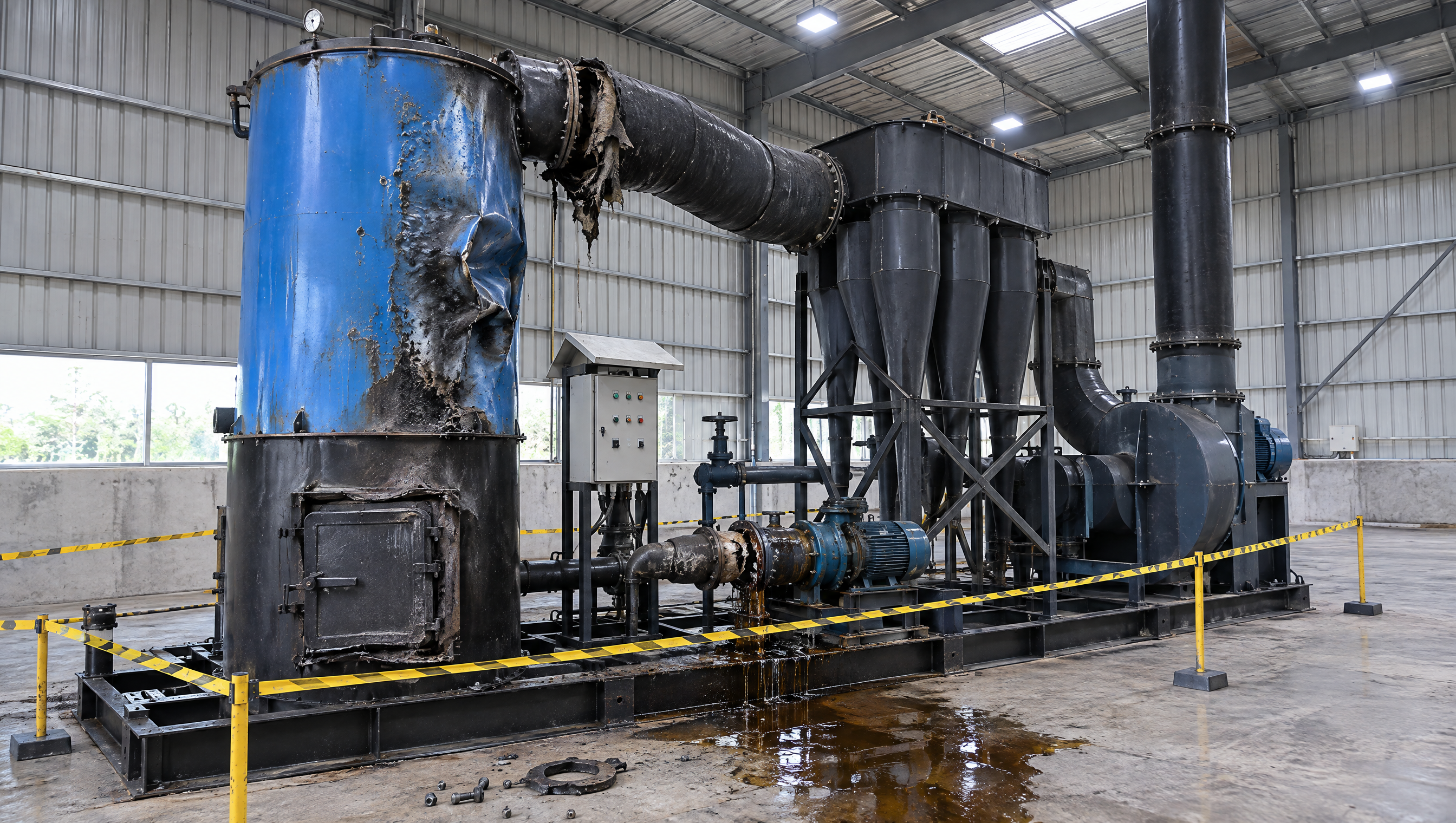
Settlement of a Critical Property Claim Involving Accidental Damage to a Thermic Fluid Heater
September 23, 2026
SCI-CLM-07-MANUFACTURING-SEP-26
 November 26, 2025
 SCI-CLM-01-CEMT-NOV-25
Get a Structured Risk Strategy Tailored to Your Needs.