
 Iron & Steel
 Power
Power
 Plywood & Lamination
 Sugar
Sugar
 Tea
Tea
 Oil & Gas
 Solar & Wind
 Agriculture
 Chemical
 Food Product
 Real Estate & Construction
 Logistics
 Automobile

.jpg)





Settlement of a Critical Property Claim Involving Accidental Damage to a Thermic Fluid Heater
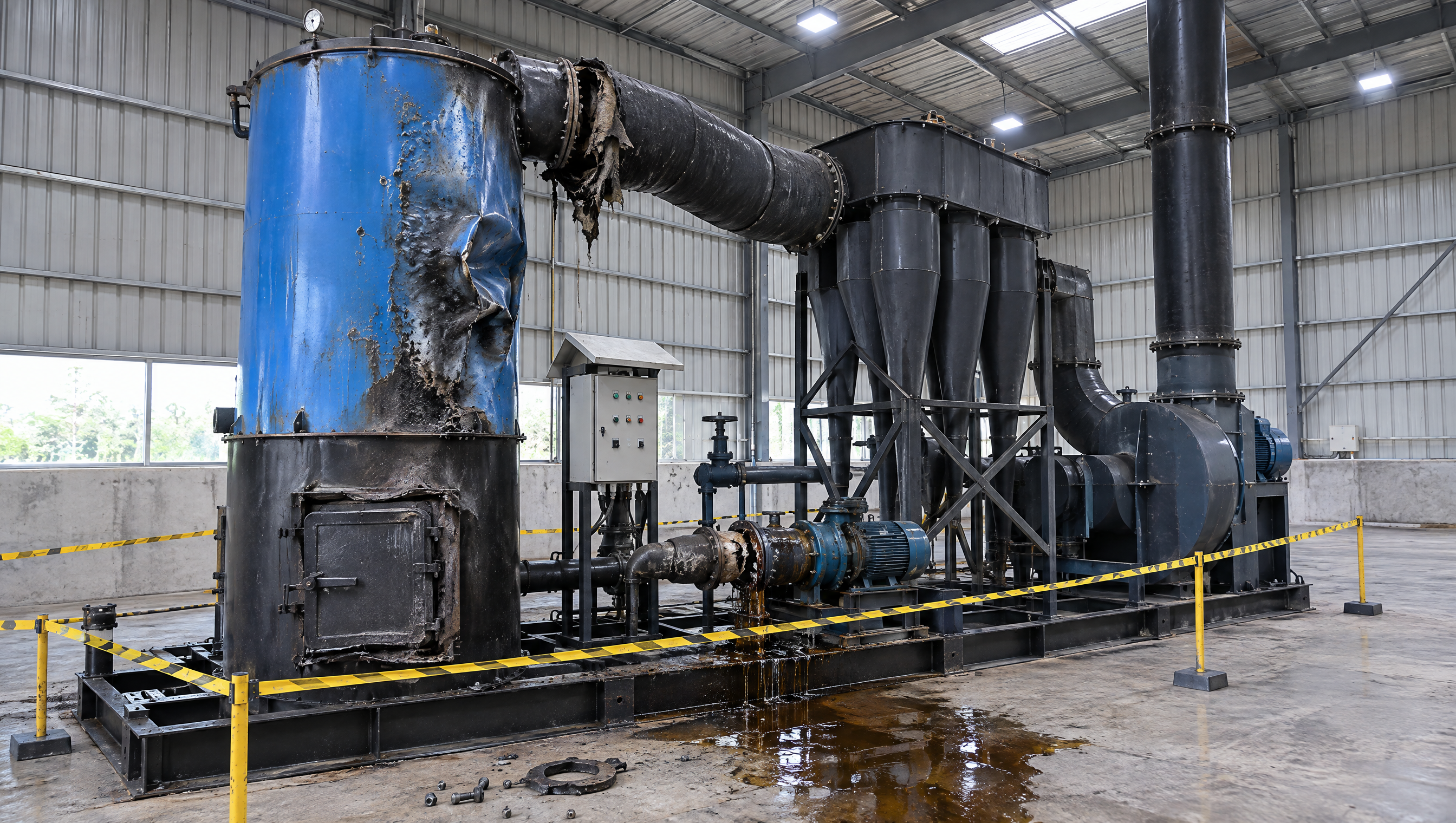
Settlement of a Critical Property Claim Involving Accidental Damage to a Thermic Fluid Heater
Project Summary
Client: Leading Plywood & Interior Infrastructure Manufacturer
Industry: Manufacturing
Policy: Industrial All Risk (IAR) Policy
Property Damaged: Thermic Fluid Heater, capacity 70 lakh kilocalories, Make: Gujtex Engg. Co.
Date of Loss: 31 October 2024
Date of Intimation: 14 November 2024
Estimated Loss at Intimation: Rs 35 lakh
Final Settlement: Rs 14,64,000 (net of reinstatement premium of Rs 3,416)
Time to Settle: About 13 months (intimation to settlement)
Reason for Deviation
The claim encountered three significant issues that could have resulted in denial or substantial reduction of the settlement:
- The loss was intimated approximately two weeks after the date of loss.
- By the time of the surveyor's first visit, the Thermic Fluid Heater had already been fully repaired and was operational.
- Certain materials included in the claim had been purchased and kept in store prior to the date of loss, raising questions regarding their validity as part of the claim.
In addition, a clear technical explanation was required to establish that the damage was accidental and was not the result of poor maintenance or gradual wear.
Brief Details
On 31 October 2024, a Thermic Fluid Heater at the insured's plant suffered accidental damage. The claim was intimated to the insurer on 14 November 2024 with an estimated loss of Rs 35 lakh.
The surveyor was subsequently appointed and visited the plant on 18 November 2024. During the first visit, concerns were raised regarding the delay in intimation and the fact that the heater had already been repaired and was running normally.
The surveyor subsequently issued a formal requirement for clarifications and supporting documents. Salasar coordinated the insured's responses, established a structured document flow, arranged the necessary supporting certificates and followed the salvage and assessment process through to final settlement.
Major Challenges
Delay in Intimation and Completion of Repairs
The loss occurred on 31 October 2024 but was intimated on 14 November 2024. When the surveyor visited the site on 18 November 2024, the heater had already been fully repaired and was operating normally.
This created concerns regarding the insurer's ability to inspect the damaged equipment first-hand and verify the cause of loss.
Direct Submission of Incident Report
During the initial stage of the claim, an incident report was submitted directly to the surveyor's team without first being routed through Salasar.
This created the risk of inconsistencies, gaps or unreviewed information being communicated during the assessment process.
Items Purchased Before the Date of Loss
During review of the claimed items, it was observed that certain materials had been purchased and kept in store prior to the date of loss.
This raised a question regarding whether these items were genuinely lost or represented pre-existing stock being included in the claim.
Establishing the Accidental Nature of the Loss
A technical explanation was required to establish that the damage was accidental rather than arising from poor maintenance or gradual wear.
The root cause explanation presented in support of the claim was:
- A thermic fluid heater runs below the boiling point of the thermal oil. The oil is flammable and can form a flammable mist at high temperature, which is a fire and explosion risk inside the furnace.
- The oil filter appears to have clogged accidentally due to dirt and suspended particles in the oil. This cut down oil flow and reduced the heat transfer efficiency of the system.
- With reduced flow, the working temperature rose, and pressure at the pump outlet increased. This is likely to have caused an explosive mist, which leaked through the gaskets and seals into the furnace zone.
- The mist formed an explosive mixture in the furnace, leading to an explosion and the collapse of the refractory brick lining, along with the other damage to the heater.
The conclusion presented to the insurer was that the root cause was accidental clogging of the oil filter, an event beyond the insured's control, and not a maintenance failure.
Actions Taken by Salasar
- Surveyor Appointment: Salasar facilitated appointment of the nominated surveyor by invoking the nominated surveyor clause in the policy.
- Structured Document Management: A single tracker was created covering all fourteen surveyor requirements, enabling systematic monitoring of documents and pending clarifications.
- Controlled Communication: Salasar established a single communication channel under which subsequent claim-related documents and communications were routed through Salasar before submission to the surveyor.
- Clarification of Delayed Intimation: Salasar worked with the insured to prepare an explanation covering the timeline and operational reasons for the delay in intimation and ensured that it formed part of the formal response to the surveyor.
- Supporting Certification: To address the issue relating to materials purchased before the date of loss, Salasar suggested a draft certificate format to be issued by the insured's chartered accountant confirming the stock position.
- Technical Root Cause Explanation: Salasar assisted in presenting the technical sequence of events supporting the accidental nature of the loss and distinguishing it from a maintenance failure.
- Salvage Coordination: Salasar continued to follow up on the salvage disposal process through repeated delays, including buyer-side issues, until the scrap was lifted.
- Assessment and Settlement Follow-up: Salasar maintained coordination among the insured, surveyor and insurer through the assessment process and followed the claim through to full and final settlement.
Final Conclusion
On 15 September 2025, the surveyor issued an assessed loss of Rs 14,67,415.85, without prejudice and subject to insurer approval.
On 12 December 2025, the insurer approved the full and final settlement of Rs 14,64,000 after adjustment of the reinstatement premium of Rs 3,416. The signed settlement voucher, cancelled cheque and bank NOC were subsequently provided, and the claim was closed on 18 December 2025.
The claim involved significant challenges relating to delayed intimation, completion of repairs before the surveyor's inspection, pre-purchased materials and the technical cause of damage. Through structured documentation, supporting certification, technical explanation, salvage coordination and sustained follow-up, the claim was carried through to full and final settlement.
From OEM Objections to Resolution: Navigating a Complex Gearbox Breakdown Claim
 November 26, 2025
 SCI-CLM-01-CEMT-NOV-25
Vanishing Cargo, Fake Licenses, and the Fight for a Fair Settlement-Case Study on Non-Delivery of the Entire Consignment
January 2, 2026
SCI-CLM-02-CARGO-DEC-31
A Case Study on Transformer Fire Claim Resolution After a High Voltage Surge
January 22, 2026
SCI-CLM-03-PLYWOOD-JAN-22
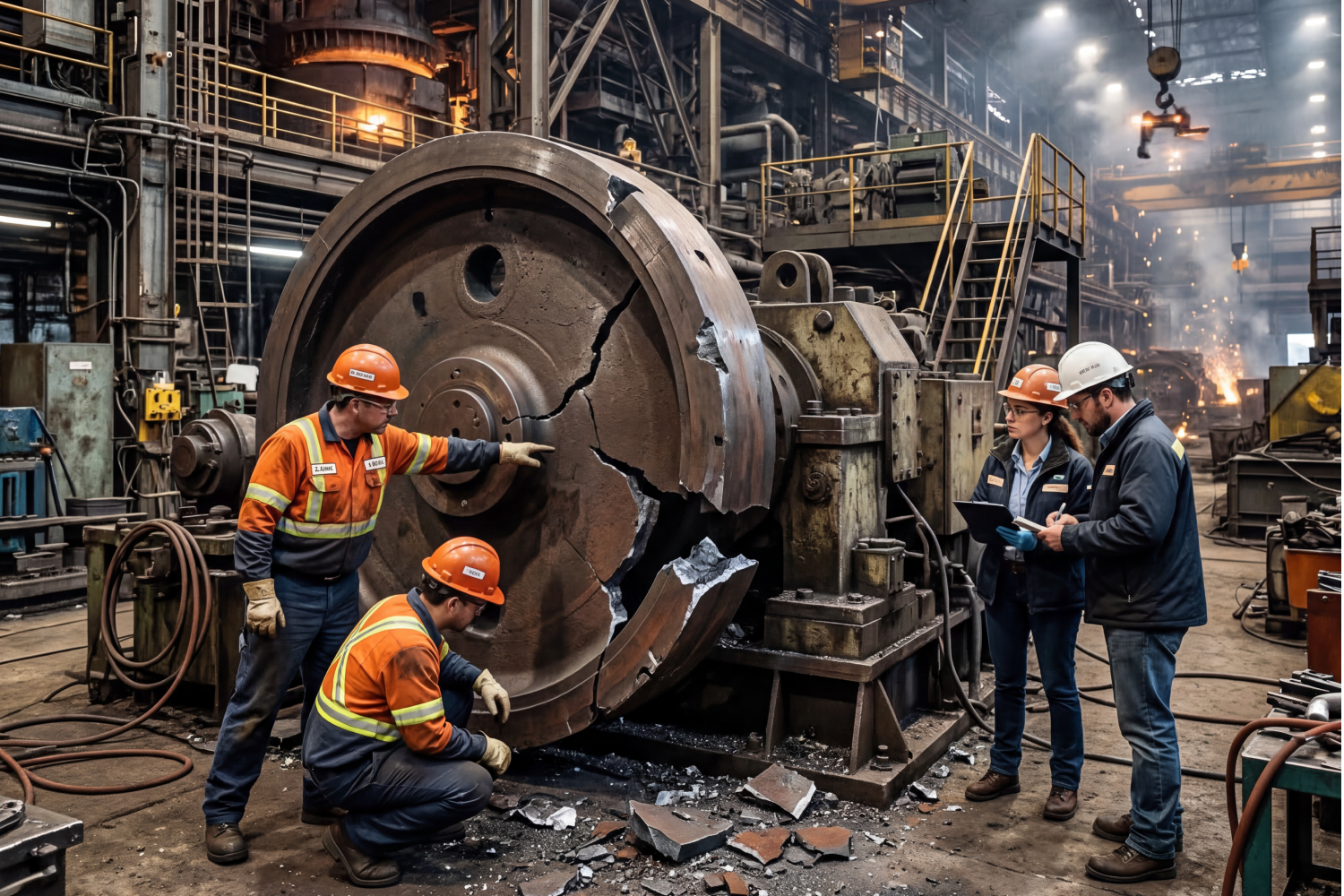
From Mechanical Failure to Claim Settlement: A Case Study on Flywheel Damage in an Iron & Steel Plant
March 16, 2026
SCI-CLM-04-IRON-MARCH-26
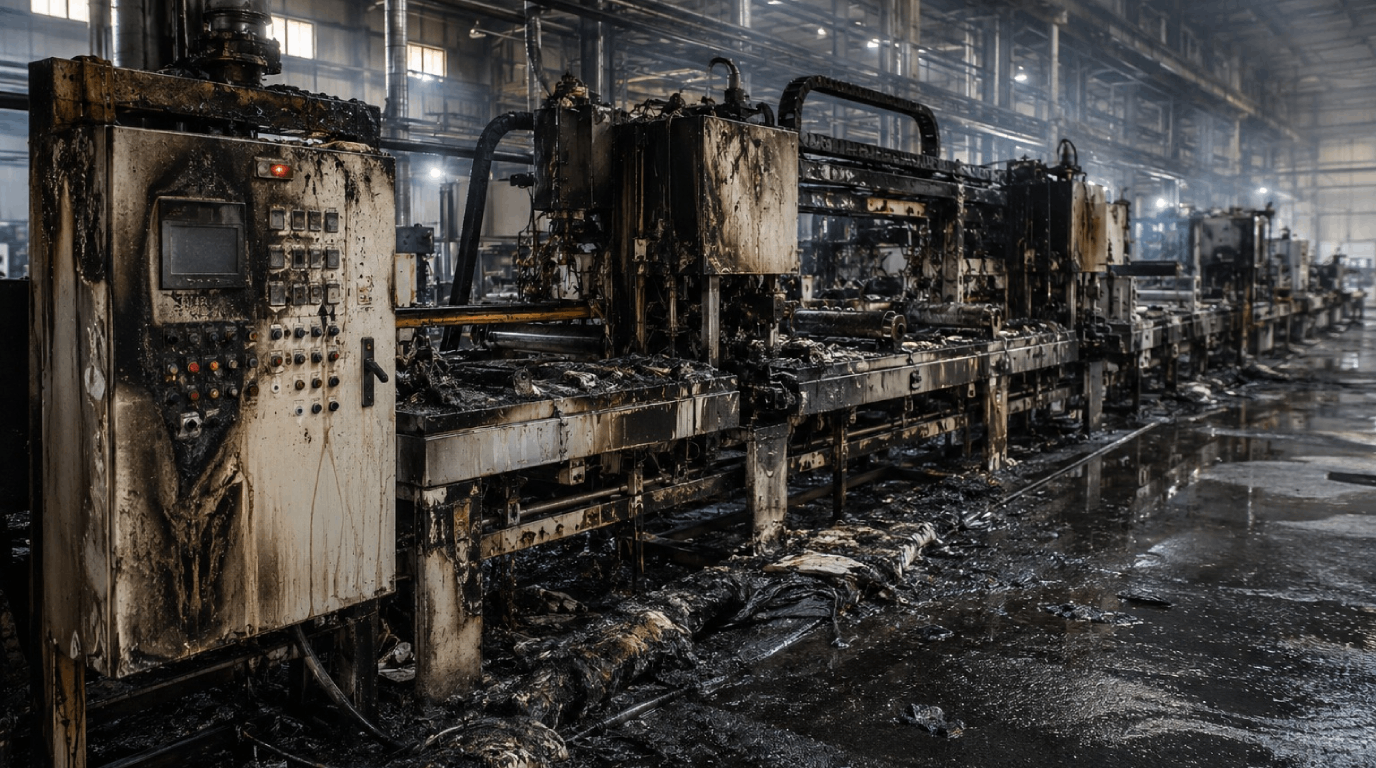
From Partial Damage Assessment to Total Loss Recognition: Resolving a Complex Fire Claim in an Edge Banding Facility
May 22, 2026
SCI-CLM-05-MANUFACTURING-MAY-26
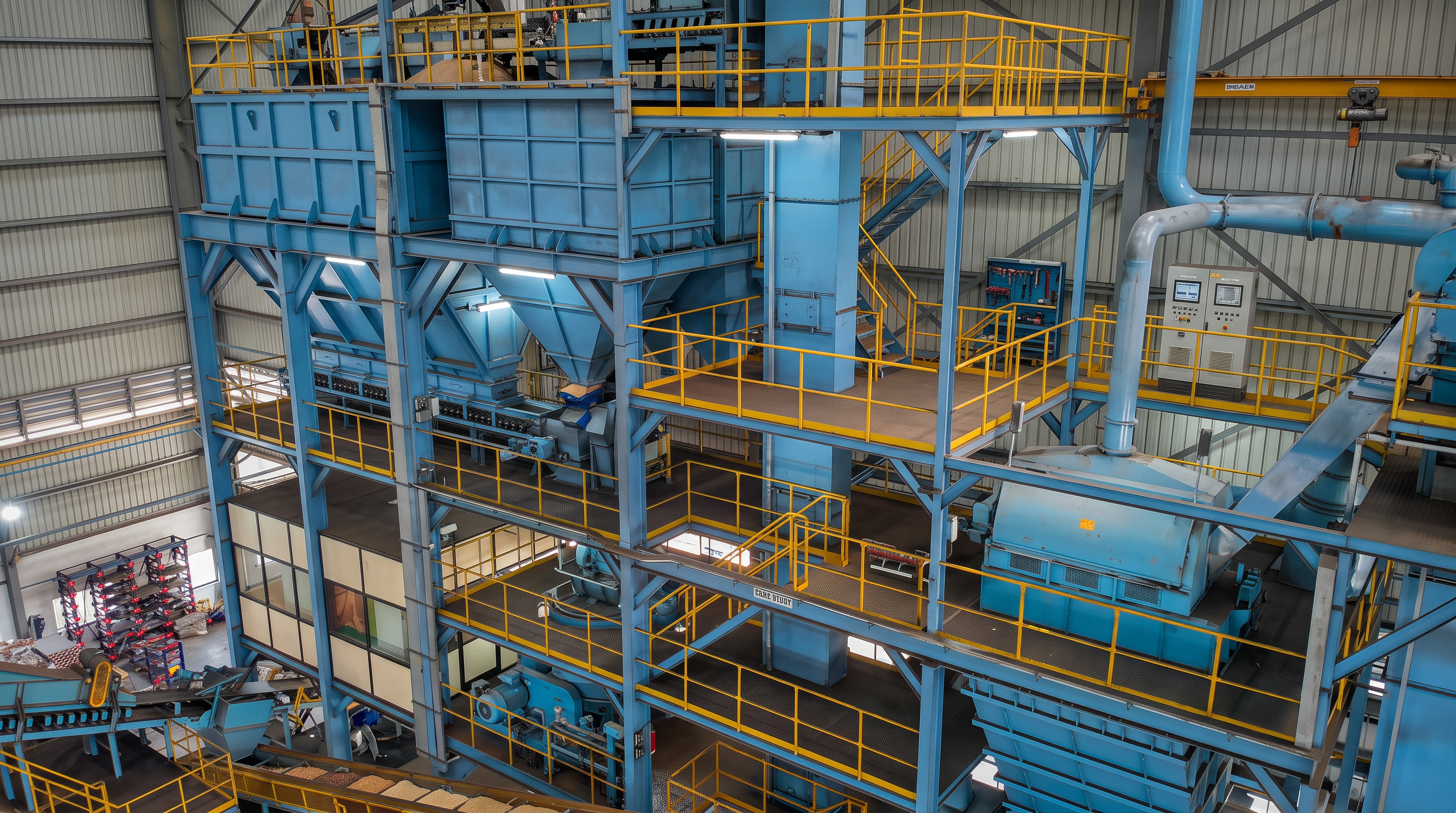
Resolving a Coverage Dispute Following Damage to an Industrial Moisture Sensor under an Electronic Equipment Insurance Policy
July 20, 2026
SCI-CLM-06-MANUFACTURING-JUL-26
 November 26, 2025
 SCI-CLM-01-CEMT-NOV-25
Get a Structured Risk Strategy Tailored to Your Needs.