
 Iron & Steel
 Power
Power
 Plywood & Lamination
 Sugar
Sugar
 Tea
Tea
 Oil & Gas
 Solar & Wind
 Agriculture
 Chemical
 Food Product
 Real Estate & Construction
 Logistics
 Automobile

.jpg)





Case Study on Abandonment of Insured Property after loss

Background:
Abandonment of Insured Property is usually an exclusion in the Operational All Risks Policy viz. Industrial All Risks Policy (IAR) or Mega Policy (Mega). However, in circumstances where the insured property is irretrievably damaged to the extent that it cannot be repaired or reinstated at the same location despite the best efforts of the insured due to the geo-physical transformation of the site or the disapproval of the public authorities due to imminent environmental or pollution threat or similar circumstances, there is no alternative to abandonment. How can the property damaged and subsequently abandoned by the Insured be covered under Operational All Risks Policies.
Insurers generally avoid abandonment clauses because they do not want to assume ownership/responsibility for salvage, site clearance, or pollution liabilities. But there are some mechanisms through which damaged, and subsequently abandoned property can be covered, provided the circumstances are exceptional and unavoidable.
1. Standard Position (Exclusion of Abandonment):
IAR & Mega policies generally exclude abandonment because:
- The insurer's liability is limited to indemnification (repair, reinstate, or cash settlement).
- The insured cannot force insurers to take over debris, site, or unusable structures.
- Abandonment is often linked to salvage disposal, pollution control, or hazardous debris management, which are separate liabilities.
2. Possible Coverage Solutions:
To extend cover to scenarios where the insured has no choice but to abandon the damaged property, the following approaches are possible:
a) Constructive Total Loss Clause (similar to Marine practice):
A special endorsement can be added recognizing constructive total loss (CTL) in cases where:
- Repair/reinstatement is physically impossible (e.g., subsidence, landslide, flooding changing the geo-physical character of site).
- Public authorities legally prohibit reinstatement due to environmental or pollution hazards.
- The insurer pays as if the property is totally lost, without requiring physical reinstatement.
b) Public Authority / Regulatory Prohibition Extension:
Wording can be drafted to state that if reinstatement is prevented by public authorities for reasons of safety, pollution, or environmental hazard, the insurer’s liability shall be for the full replacement/insured value. This is akin to a Denial of Access or Authorities Prohibition clause, adapted to material damage.
c) Debris Removal and Site Clearance Extension:
Insurers may allow the policy to cover:
- Costs of removal/disposal of the irretrievably damaged property.
- Site stabilization or safety works mandated by regulators.
- Combined with the CTL clause, this ensures the insured is not left with the stranded assets.
d) Special Endorsement – “Abandonment Due to Irreparable Damage”:
A bespoke clause could state:
“In the event that the insured property is irretrievably damaged and cannot, in consequence of geo-physical transformation of the site or prohibition by public authorities, be reinstated or repaired at the same location, the Insurers shall indemnify the Insured on a total loss basis for such property, subject to the Sum Insured, without prejudice to their rights of salvage.”
3. Practical Underwriting Considerations:
Premium Loading: Insurers may charge additional premium for accepting this unusual exposure.
Defined Triggers:
- The wording must be tightly drafted to avoid abuse (i.e., only when independent authorities confirm irreparability or regulatory prohibition).
- Sum Insured / Valuation Basis: Settlement is usually on agreed value or reinstatement value, less salvage (if any).
- Exclusions Still Apply: Pollution clean-up costs, third-party liabilities, or restoration of land may remain excluded unless separately insured.
The draft endorsement clause may be adapted for inclusion in the IAR/Mega Policy:
It is hereby agreed and declared that, notwithstanding the exclusion of abandonment contained in this Policy, the Insurers shall indemnify the Insured in respect of property insured hereunder which has suffered damage and which, as a direct consequence of such damage:
a) cannot, despite all reasonable and practical efforts of the Insured, be reinstated or repaired at the same location due to:
- geo-physical transformation of the site rendering reinstatement impracticable, or
- prohibition or disapproval by public authorities on grounds of imminent environmental, health, or pollution hazards; and
b) has been declared by competent authorities or by an independent technical assessment acceptable to Insurers to be irretrievably damaged and incapable of reinstatement at the original location.
In such circumstances, the Insurers’ liability shall be deemed to be on a constructive total loss basis, subject always to the Sum Insured applicable, less any salvage value that may be realized or recovered. Further, costs necessarily and reasonably incurred for the removal of irreparably damaged property and site clearance required by public authorities shall be payable under this endorsement, subject to the applicable Debris Removal sub-limit under the Policy.
This endorsement shall not extend to:
- costs of land restoration, decontamination, or environmental clean-up, unless otherwise specifically insured,
- consequential loss of any nature except where insured under a separate section of this Policy,
- property declared abandoned without prior written agreement of the Insurers.
All other terms, conditions, and exclusions of the Policy remain unaltered.
Conclusion:
While abandonment is normally excluded, coverage can be arranged under IAR or Mega by negotiating Constructive Total Loss, Public Authority Prohibition, and Debris Removal extensions. A tailored endorsement, as suggested above, is the best route to ensure that property damaged beyond reinstatement and forced into abandonment is indemnified on a total loss basis.
Disclaimer:
The proposed solution and approach contained herein are suggestive in nature and are intended solely to facilitate an understanding of possible insurance cover consequent upon abandonment of property.
This note does not constitute an offer of insurance, underwriting commitment, or policy interpretation. The views expressed are based on general insurance principles and indicative market practices. The final insurance terms, scope of cover, and premium implications shall be subject to detailed underwriting assessment, risk engineering review, and acceptance by the concerned insurers and reinsurers in accordance with their internal guidelines and prevailing market conditions.
We, at Salasar, shall not be responsible or liable for any direct or consequential loss, damage, or claim arising out of reliance on this suggested approach. Stakeholders are advised to obtain specific legal, technical, and insurance advice before finalizing the insurance program allowing abandonment of property following physical damage.
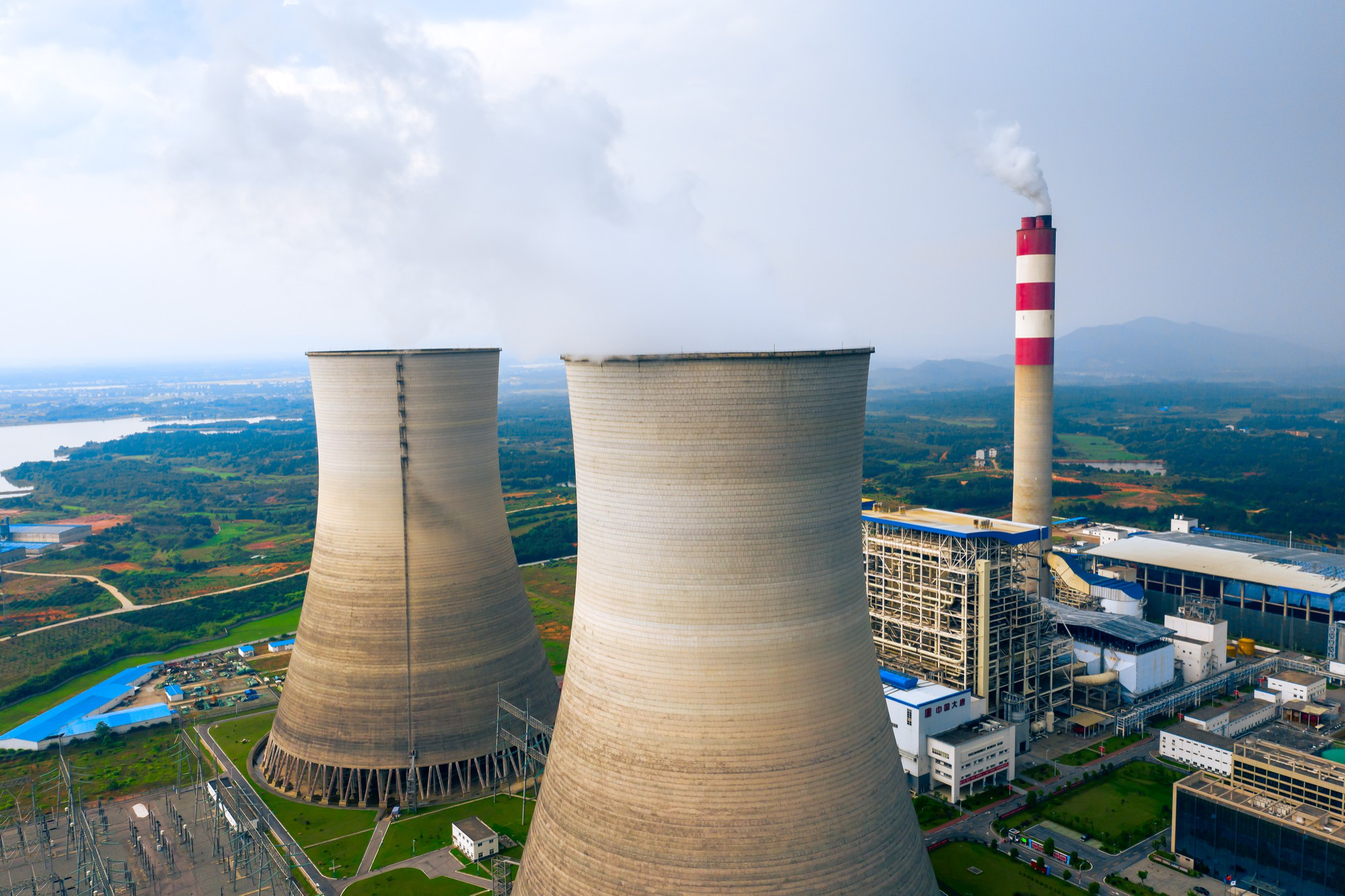
Underwriting Case Study For Staged Commissioning Of Thermal Power Plant
 November 17, 2025
 SRE-TUW-01-PWR-NOV-25

Inter-Site Movement, One Policy Solution - Case Study on Inland Transit Extension in Erection All Risks Insurance Policy
February 9, 2026
SRE-TUW-03-EAR-FEB-09

Heritage Facade Retention, One Structured Solution – Case Study on CAR & DSU Integration for a UNESCO Railway Redevelopment Project
February 20, 2026
SRE-TUW-04-EAR-DSU-FEB-20
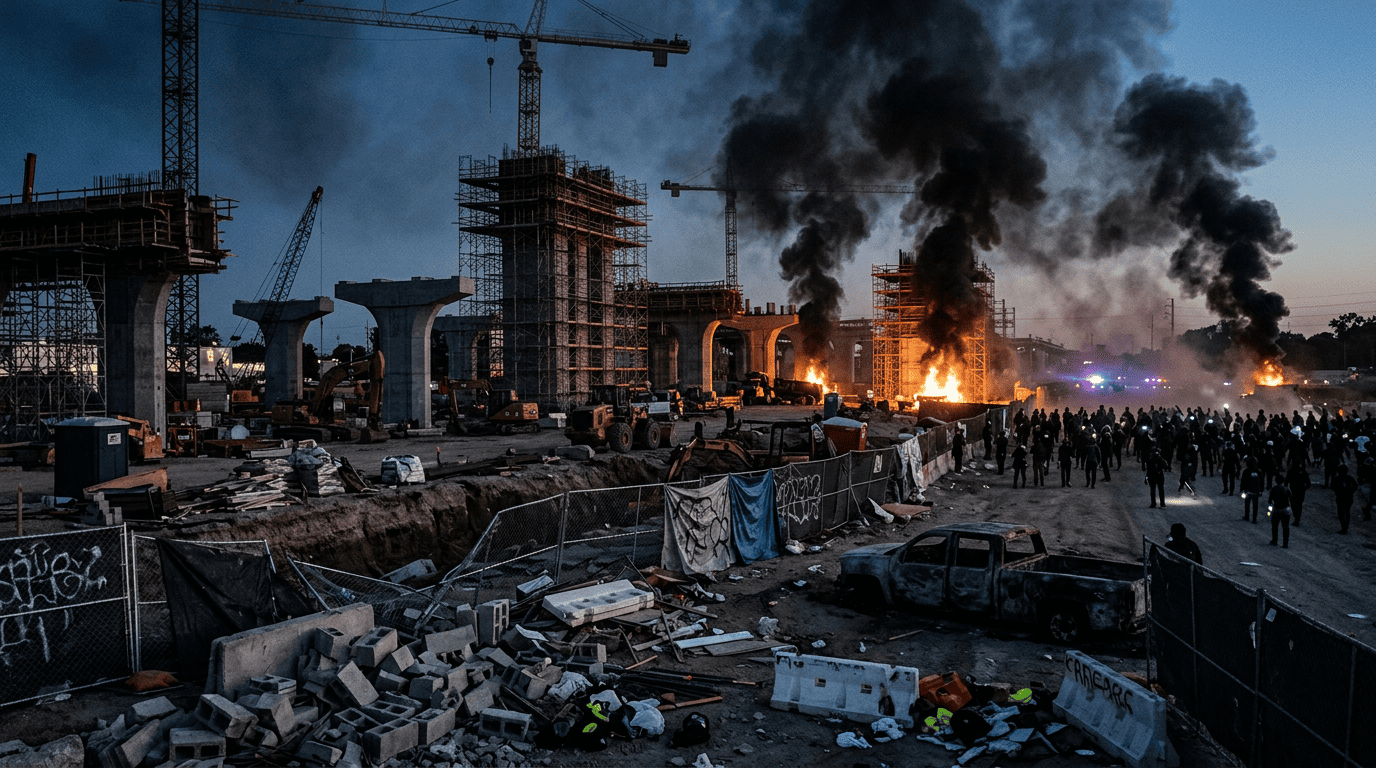
Cover for Riot, Strike Civil Commotion in Project Insurance Policies
April 16, 2026
SRE-TUW-05-INFRA-APR-26
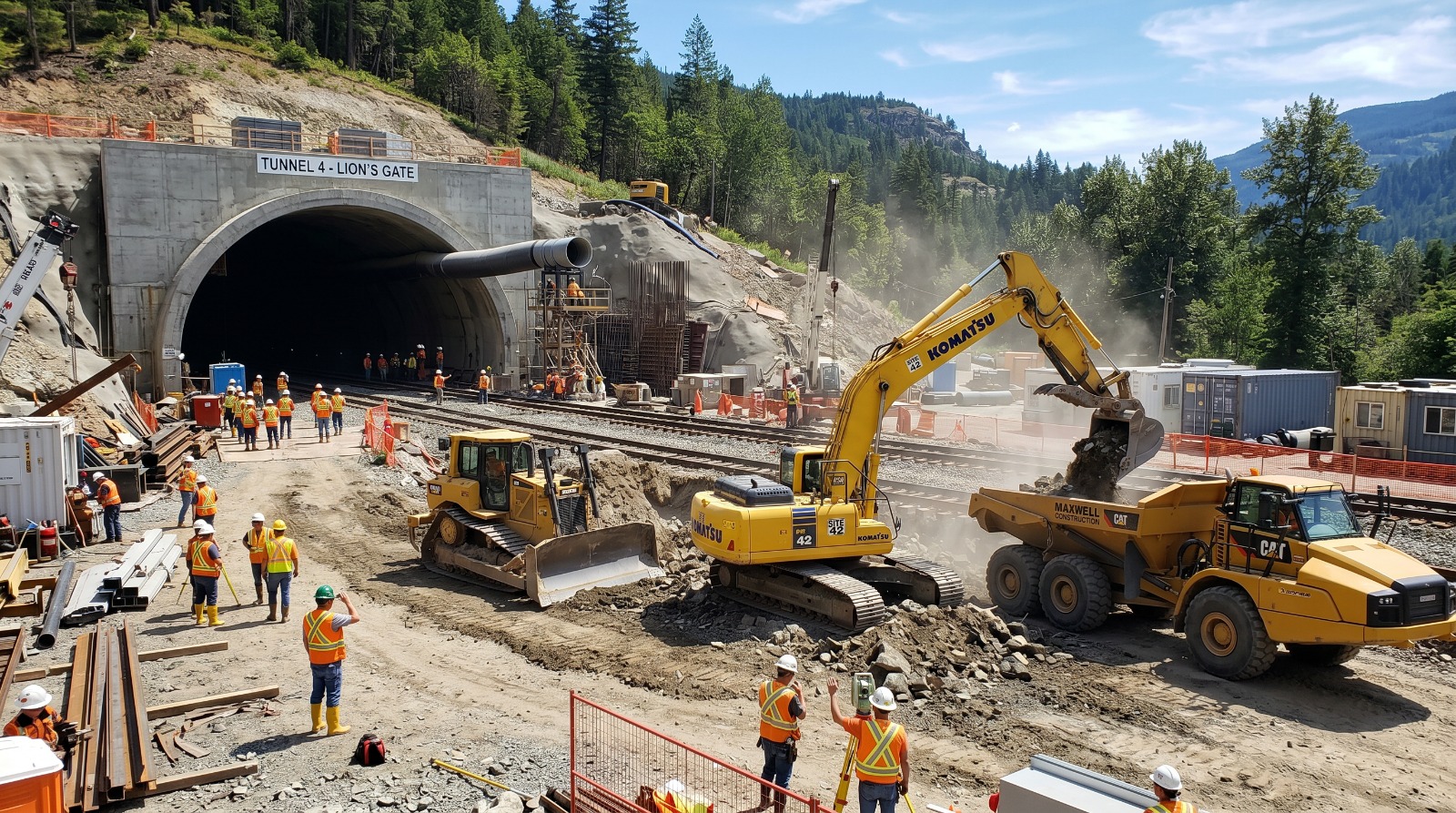
Underwriting Considerations of Contractor’s All Risk Policy for Tunnelling Project
June 25, 2026
SRE-TUW-06-RAIL-INFRA-JUNE-26
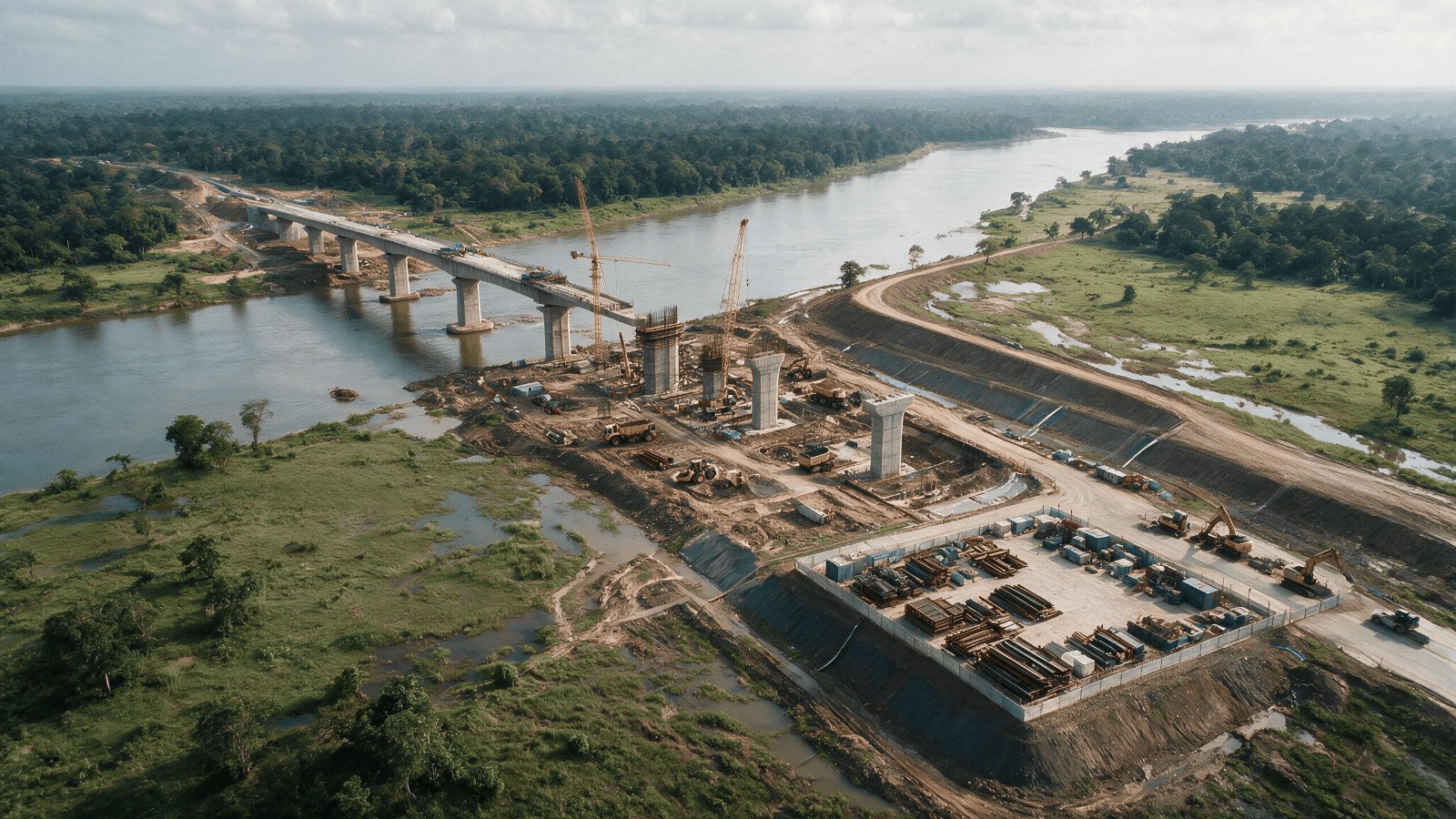
Significance of Return Period for Floods in Underwriting Construction Insurance
August 20, 2026
SRE-TUW-07-INFRA-CONSTRUCTION-AUG-26
 November 17, 2025
 SRE-TUW-01-PWR-NOV-25
Get a Structured Risk Strategy Tailored to Your Needs.