
 Iron & Steel
 Power
Power
 Plywood & Lamination
 Sugar
Sugar
 Tea
Tea
 Oil & Gas
 Solar & Wind
 Agriculture
 Chemical
 Food Product
 Real Estate & Construction
 Logistics
 Automobile

.jpg)





Heritage Facade Retention, One Structured Solution – Case Study on CAR & DSU Integration for a UNESCO Railway Redevelopment Project

Industry:
Construction
Background:
A Very Important Railway Station, which is an UNESCO World Heritage has been planned for renovation. The Government strictly warns all the existing buildings and structures forming the façade are to be maintained in the same position and their aesthetics not to be tampered in any circumstances. The new structures will be the rest of the modern infrastructure including modernisation of platforms, installation of staircases, lifts, elevators and escalators, shopping malls and cinema complexes, ticketing booths, LED sign systems, Underground Intra-platform passenger carriage systems etc, The total cost of the project for the new items is INR 3200 CR, while the value of the existing structure of the façade has been estimated at INR 750 CR, which needless to mention carries some intrinsic value.
Two situations may arise:
1. During construction the existing structure is damaged due to construction work of the new structures. Depending on the damage, the existing structure will take far more time to be reinstated.
2. How to we treat this for the assessment of the time element claims.
This is a classic construction + conservation + insurance headache. Below are set out (A) how insurers typically view damage to an existing (heritage) façade during new works, (B) how time-element (DSU / ALOP) claims are assessed when reinstatement of the façade delays completion, and (C) practical underwriting / contract / claims steps you should insist on to reduce dispute and speed recovery.
Possible Outcomes:
A. Legal / cover baseline — how insurers usually treat an existing (heritage) façade
Existing structures are not automatically included in a CAR/EAR policy unless they are specifically declared or the policy includes an Existing Property / Surrounding Property extension. Where the façade is to be retained, that extension must be agreed and the value declared. Without it, damage to the retained façade may be excluded or disputed.
1. Heritage / UNESCO constraint changes the reinstatement requirement. Insurers will expect reinstatement “as near as reasonably practicable” but conservation requirements (must keep positions, materials, aesthetics) usually force specialized, slower, more expensive reinstatement. This frequently requires agreement in advance about reinstatement methodology and acceptable specialists.
2. Who insures the façade? Owner or contractor? That should be contractually clarified. If the owner retains responsibility for façade, their property policy might cover it (or you procure an owner’s extension under the contract works). Where the owner requires the contractor to protect the façade, the contractor’s CAR will often be extended to include the existing structure but subject to warranties/conditions and possibly higher premium/sub-limits.
B. Two situations we listed — how they are treated for material damage and time-element (DSU) claims:
Situation 1 — Existing structure is damaged during construction:
If the policy covers the existing structure, damage will be treated as an indemnifiable material damage loss and settled on the policy basis (reinstatement or agreed value), subject to exclusions, deductibles and conditions. Because it’s a heritage façade, reinstatement will likely require specialist conservation, increasing time and cost. If the damage is not covered (no existing property extension), the contractor/owner may have to rely on third-party liability (if negligence) or their own property policy — which produces dispute
Key issues to resolve at claim time:
- Cover trigger: Was the damage caused by an insured peril under the CAR? (e.g., collapse, fire, impact). If yes — cover applies (subject to policy wording).
- Insured party & policy: Is it covered under the contractor’s CAR, owner’s property policy, or another policy? The contracts and insurance matrix must be checked.
- Basis of settlement for a heritage façade: Because like-for-like replacement may be impossible (original materials/craftsmanship), insurers and insured must agree whether: (a) reinstatement by specialist conservation (preferred for heritage), (b) functional reinstatement (if permitted by heritage authority), or (c) agreed cash value. For heritage authorities that insist on conservation, reinstatement cost may be the determinant. Experts note that special rehabilitation works need explicit cover and valuation approach.
Situation 2 — How to treat time-element (Delay in Start-Up / ALOP) claims:
A DSU/ALOP claim will only be triggered when the delay to commercial operation is caused by an indemnifiable material damage event that falls within the DSU wording. Reinstatement of a damaged heritage façade can (and often does) create a critical-path delay that triggers DSU — but only if the DSU policy was placed and the delay meets the policy trigger and excess.
C. How the DSU assessment typically works:
1. Establish causal link: The delay to the scheduled completion must be a direct consequence of the insured material damage event. If façade damage is the direct cause, this link must be demonstrable (reports, works programme impact, expert opinions).
2.Identify critical path impact: Use the project CPM schedule to show how reinstatement of the façade impacts completion. Heritage reinstatement often becomes a critical activity (e.g., scaffolding/ access restrictions delaying platform work). The number of delay days beyond the DSU time excess is the key metric.
3.Calculate financial loss: DSU pays financial consequences (gross revenue loss / loss of rent / additional finance costs) during the indemnity period, subject to the sum insured, waiting period (time excess), and policy limits. The insured must prove loss with accountancy evidence.
4.Interim mitigation & additional cost of working: Many DSU/contract works packages contain an “increased cost of working” or “expediting” cover that pays for measures to shorten reinstatement time (specialist teams, shift work, prefabrication offsite). Insurers expect mitigation — they may refuse part of DSU if mitigation was reasonable but not attempted. Swiss Re and other reinsurers stress early activation of expediting measures to reduce DSU payouts.
D. Special points for heritage/UNESCO façades:
1. Regulatory constraints (heritage authority permissions) frequently force longer reinstatement times. Document these constraints: permit timelines, required methods, specialists. These are central to proving the delay was caused by material damage plus regulatory reinstatement requirements.
2. Agreed value / declared value for façade: Because intrinsic cultural value is not normally indemnifiable as “sentimental value,” agree with underwriters an agreed reinstatement cost (including conservation premium & specialist fees) at placement. Having the façade declared as an agreed value item (INR 750 Cr) avoids later argument on valuation.
C. Practical underwriting, contract and claims measures that should be implemented now:
Pre-construction / placement (to avoid disputes):
1. Declare the façade explicitly in the insurance schedule as Existing Property / Retained Structure with the agreed value (INR 750 Cr) and an agreed reinstatement methodology (conservation specification). Insurer must accept this and stamp it on the policy.
2. Obtain a baseline condition survey (detailed photographic, measured drawings, materials sampling) signed by an independent conservation specialist and the insurer’s engineer. Make this a warranty in the policy. This avoids later “pre-existing damage” disputes.
3. Agree conservation reinstate method & contractors in advance. Insert wording that permits use of nominated conservation contractors or requires prior written consent for alternative methods — reduces friction when a loss occurs.
4. Buy DSU/ALOP with:
- Adequate indemnity period (longer than standard, because heritage works take longer).
- An explicit trigger clause clarifying that delays due to reinstatement of declared existing property are covered, and how the sum insured is reinstated if DSU is triggered.
5. Include Increased Cost of Working / Expediting cover (sub-limit) so the insurer will fund mitigation measures to shorten delay (specialist overtime, prefabrication, temporary works). Document acceptable expediting measures in the policy.
6. Set clear responsibilities in the construction contract insurance matrix (who insures what; process for claims coordination; waiver of subrogation where needed; notification obligations; conservation authority liaison).
Underwriting controls / limits you may see:
- Sub-limits for existing property: Insurers may set a sub-limit for heritage conservation works unless a higher premium is paid.
- Warranties about contractor competence: Acceptance often conditional on nominated conservation contractors and approved method statements.
- Longer time excess or higher premium for DSU: Because risk of protracted reinstatement is real, expect either longer waiting periods or higher DSU premiums/limits. IMIA papers highlight these underwriting considerations.
D. Valuation & settlement mechanics (practical checklist)
1. Agree basis of settlement for façade: reinstatement (preferred), agreed value, or cash-settlement. For heritage façades reinstatement is often the only acceptable approach to the heritage authority — so insure to reinstatement cost including specialist fees. IMIA
2. If reinstatement time > original schedule: DSU trigger — calculate number of excess days and then the indemnifiable financial loss during the indemnity period. Consider whether DSU sum insured needs reinstatement after a material damage settlement. IMIA+1
3. Proof of mitigation: insurers expect the insured to take reasonable steps to reduce delay. Keep contemporaneous records showing attempts to accelerate works and correspondence with heritage authorities. Swiss Re
E. Practical example (short)
- Project new works value INR 3,200 Cr; existing façade declared at INR 750 Cr and insured under existing-property extension.
- During piling, vibration causes collapse of a façade bay. Cause = insured peril (collapse due to works). Material damage claim under CAR for façade reinstatement = INR X (specialist conservation cost) — agreed as reinstatement.
- Reinstatement requires specialist stone masons and heritage authority permit (6–9 months). The reinstatement activity sits on the critical path and delays commercial opening by 180 days (beyond DSU excess of 60 days).
- DSU claim: insured proves causal link (reports + CPM), claims gross revenue loss for 120 days (180 − 60 excess). Insurer pays DSU subject to indemnity period, sum insured, and proof of mitigation. If insured employed expediting (overtime, more teams) with insurer’s consent, insured reduces DSU days and may be reimbursed for additional expediting costs under the Increased Cost of Working cover. (This workflow and calculation method is consistent with market practice and DSU guidance.)
F. Short checklist you can give to the project owner / contract manager (immediately)
1.Ensure façade is declared in the CAR schedule with agreed reinstatement value (INR 750 Cr) and specialist reinstatement methodology.
2. Place a DSU policy with an indemnity period long enough for heritage reinstatement; include Increased Cost of Working sub-limit.
3. Get a full baseline condition report and have insurer’s engineer witness it.
4. Pre-agree nominated conservation specialists and an expediting plan; include insurer consent mechanics in contract wording.
5. Contractually allocate insurance procurement responsibilities (owner vs contractor) and make notification/claims coordination procedures clear.
6. Keep CPM schedule, statutory permit timelines, and all communications to prove causation and critical-path delay in any later DSU claim.
G. Heritage façade – existing property, reinstatement & DSU special conditions clause:
1. Declaration of Existing Heritage Property
It is hereby declared and agreed that the structure forming the UNESCO World Heritage Façade of the Railway Station (“the Heritage Façade”) having an agreed value of INR 750 Crore and situated within the Project Site shall be deemed to be Existing Property for the purpose of this Policy.
This Heritage Façade shall be insured under Section I (Material Damage) of this Policy as Retained / Existing Structures, subject to the terms, conditions and exceptions herein.
2. Basis of Settlement – Conservation Reinstatement
In the event of loss or damage to the Heritage Façade caused by an insured peril:
a. The indemnity shall be on a Reinstatement Basis, meaning repair, restoration or reconstruction using conservation-approved materials, craftsmanship, methods and structural techniques as sanctioned by the relevant Heritage / Conservation Authorities.
b. Where original materials or techniques are no longer reasonably available, the use of nearest equivalent conservation-grade materials shall be permissible, subject to approval of the Heritage Authority and the Insurer.
c. The Insurer shall not apply deductions for age, depreciation or historical wear to the Heritage Façade.
d. The maximum liability of the Insurer for material damage to the Heritage Façade shall not exceed the above-declared agreed value unless specifically endorsed.
3. Pre-Loss Condition Survey (Warranty)
It is a condition precedent to liability that, prior to commencement of any construction works:
a. A comprehensive Baseline Condition Survey (including structural mapping, drawings, high-resolution photographic record, materials analysis and conservation notes) of the Heritage Façade shall be carried out by a competent conservation architect/engineer acceptable to the Insurer.
b. Copies of the Condition Survey shall be submitted to the Insurer and Contractor.
c. The Insurer’s liability shall not be prejudiced by any latent defects not discoverable during such survey.
4. Method Statements & Conservation Protection Requirements
a. The Contractor shall submit Method Statements and Risk Assessments describing protective measures for the Heritage Façade, including vibration control, access scaffolding, shielding, footing works, and other relevant protection systems.
b. Such Method Statements shall be approved by:
• the Project Owner,
• the Heritage Authority, and
• the Insurer (or its appointed engineer).
c. Failure of the Contractor to comply with approved Method Statements shall not invalidate the Insured’s rights, but liability of the Contractor may be preserved.
5. Existing Property Interaction with Contract Works
It is expressly agreed that unintentional physical loss or damage to the Heritage Façade arising out of or in the course of execution of the Contract Works, including vibration, impact, settlement, collapse or accidental interference, shall be deemed to be insured material damage, subject to the Policy conditions.
This extension shall not apply where the damage arises from wilful acts or deliberate non-compliance with approved Method Statements.
6. Increased Cost of Working / Expediting Expenses for Heritage Reinstatement
Subject to sub-limits stated in the Schedule and subject to Insurer’s prior written consent, the Policy is extended to cover Expediting Expenses / Increased Cost of Working incurred for the purpose of:
• engaging specialist conservation agencies;
• accelerated conservation works;
• night shifts or additional teams;
• procurement of conservation-approved materials from distant sources;
• temporary works enabling parallel construction.
The intent is to reduce reinstatement time of the Heritage Façade.
Special Dsu / Alop Condition For Retained Heritage Façade
7. DSU Trigger – Delay Caused by Heritage Façade Restoration
Notwithstanding anything contained elsewhere:
DSU/ALOP cover shall apply if, and only if, (i) material damage to the Heritage Façade is indemnifiable under Section I, and (ii) the reinstatement of the said damage directly delays the Scheduled Completion Date of the Insured Project.
The DSU indemnity shall cover the resulting financial loss during the Indemnity Period, after application of the Time Excess.
8. Critical Path Determination
To establish the quantum of delay:
a. The delay to completion shall be assessed on the basis of the approved Critical Path Method (CPM) schedule in force at the time immediately prior to the loss.
b. Where reinstatement of the Heritage Façade becomes a critical or controlling activity, the full length of such delay (less the Time Excess) shall be deemed the DSU Delay Period.
c. Delay resulting from statutory conservation permissions/control orders required specifically for the reinstatement of insured damage shall be treated as part of the insured delay.
9. Heritage Authority Requirements
Any extended period required to obtain sanctions, technical approvals, conservation permissions, or heritage clearances necessary exclusively for restoring the insured damage shall be deemed part of the reinstatement period, provided such measures are mandatory and documented.
10. Exclusions Specific to DSU
The DSU section shall not apply to:
a. Regulatory delays unrelated to the insured material damage.
b. Owner-led design changes not necessitated by the insured event.
c. Delays caused by financial, contractual or administrative defaults of the Insured.
11. Waiver of Subrogation for Heritage Authority
The Insurer agrees to waive rights of subrogation against statutory Heritage / Conservation Authorities acting in good faith, but preserves such rights against Contractors/Subcontractors whose negligent acts caused the loss.
12. Overall Application
This clause forms an integral part of the Policy and supersedes any conflicting provisions in respect of Existing Property, Reinstatement Basis, Expediting Costs, and DSU Trigger.
Most effective methods to ascertain sum insured
1. Commission an Independent Chartered Valuation of the Heritage Structures
This is the industry gold standard, often mandated for historic government assets.
The valuation must be carried out by:
- Chartered Civil/Conservation architects,
- Government-approved valuers,
- Heritage conservation specialists,
- Quantity surveyors familiar with traditional materials & techniques.
Key outputs:
- Reinstatement Cost (full restoration to original aesthetics).
- Cost of traditional materials (lime plaster, sandstone, teak, cast iron, etc.).
- Cost of specialised labour (stone carvers, wood restorers, fresco artists).
- Escalation margins due to scarcity of materials/skills.
- Cost of temporary supports, façade retention, shoring, bracing.
- Cost of complying with heritage laws during reconstruction.
Why effective?
Insurers accept independent valuations as the final baseline for SI and treat them as a contract-grade document that prevents disputes later.
2. Prepare an Agreed “Heritage Asset Register” (Mandatory)
This register must be jointly signed by:
- Principal (Railways)
- Contractor(s)
- Project Management Consultant (PMC)
- Architect/Heritage Consultant
- Insurer
Contents include:
- Building-wise valuation
- Component-wise values (façade, roofing system, pillars, decorative elements)
- Fixed contents (ornamental grills, heritage signages, ironwork)
- Movable contents (old clocks, wooden benches, artefacts)
- Photographic documentation
- Condition report before work starts
Why effective?
Eliminates later debate about:
- "What was part of heritage?"
- "What were contents versus fixed property?"
- “Was the façade included?”
- “Was this pillar original or newly constructed?”
3. Use a “Heritage-Specific Schedule of Rates”
Normal CPWD/SOR rates are not valid for heritage restoration.
Instead use:
- INTACH SOR (Indian National Trust for Art & Cultural Heritage)
- ASI-approved SOR (Archaeological Survey of India)
- State Heritage Conservation SOR
If unavailable, use:
- Market survey of heritage-grade materials,
- Vendor quotations from specialised artisans.
Why effective?
Prevents insurers from challenging high reinstatement costs during claims (“Why is lime plaster 10× cost of cement plaster?”).
4. Establish “Full Reinstatement Basis” With Heritage Conservator Approval
The SI must reflect:
- Reinstatement “as was, where was”,
- Reinstatement using the same material and craftsmanship,
- Reinstatement in compliance with UNESCO/heritage law, which may prohibit modern alternatives.
Why effective?
Prevents disputes where insurers try to settle on a “modern material equivalent” basis, which heritage laws prohibit.
5. Include “Heritage Contents Valuation” Through a Conservator/Museum Specialist
Heritage contents are not valued at normal replacement cost.
They require:
- Antiquarian valuation for artefacts
- Restoration cost for damaged wooden/metal items,
- Market-based valuations for collectible clocks, signboards, lighting fixtures.
Why effective?
Provides insurer-approved evidence on valuation of items that cannot be easily replaced or may have limited market comparables.
6. Conduct Joint Pre-Insurance Survey With All Parties
Invite:
- Insurer risk engineers,
- Loss adjuster (pre-agreed),
- Heritage consultant,
- PMC.
Conduct a full documentation survey:
- Drone imaging
- 360° photographic recording
- Defect mapping
- Laser scanning if required
Why effective?
Creates immutable evidence of the pre-contract condition, eliminating later disputes on:
- Whether damage was pre-existing
- Whether cracks were historic or construction-induced
7. Use “Agreed Value Clause” or “Valued Policy Basis” for Heritage Elements
For Heritage property, many insurers agree to a Valued Sum Insured (pre-determined, not subject to average at claim time) for identifiable items such as:
- Façade
- Domes
- Iron columns
- Grand staircases
- Clock towers
Why effective?
Prevents future negotiation about:
- Actual cost of reinstating carved stone/ornamentation
- Partial loss vs constructive total loss
- Underinsurance application
8. Integrate Valuation Into Project BOQ + Contractor Package
Since some heritage structures may be partially dismantled or supported during modernisation, include:
- Temporary supports
- Heritage façade retention systems
- Shoring/needling
- Handcraft labour contingencies
- Access and “non-working” time
Why effective?
Ensures that insurers accept these as part of reinstatement cost, not as “contractor’s methodology costs”.
9. Include Escalation and Cost Inflation for Rare Materials
For heritage buildings:
- Lime
- Burmese teak
- Cast iron
- Hand-made tiles
- Red sandstone
- Minton floor tiles
These can have:
- Long lead times
- Limited supply
- Price volatility
Best practice: add 15–25% escalation in SI.
C. CRITICAL POLICY WORDINGS TO AVOID DISPUTES
To avoid ambiguity, insurers should incorporate:
1. Heritage Reinstatement Clause
Insurance shall cover reinstatement “using traditional materials and methods consistent with heritage standards even if such cost exceeds the cost of modern methods.”
2. Agreed Value Clause
Insurer agrees the heritage values as per the valuation report and cannot challenge it during claim.
3. No Average Clause for Heritage Structures/Contents
Prevents penalties for underinsurance on heritage components.
4. Façade Retention & Support Structures Covered
Ensure CAR/EAR covers accidental damage to façade supports.
5. Debris Removal Extension Including Careful Debris Handling
Because heritage debris handling is slow and expensive.
6. Workmanship Exclusion Relaxation
Damage to heritage due to accidental workmanship error should be covered (with sub-limit).
D. SUMMARY: MOST EFFECTIVE COMBINATION
To eliminate all possible future disputes, use this combination:
1.Third-party heritage valuation
2.Joint Heritage Asset Register
3.Heritage SOR/market-based costing
4.Pre-insurance condition survey
5.Agreed Value + No Average for heritage
6.Signed acceptance by insurer before policy inception
Outcome:
Insurer cannot later challenge values, methods, or reinstatement basis — ensuring smooth claim settlement even for complex heritage properties forming part of modern redevelopment.
Disclaimer:
The proposed solution and approach contained herein are suggestive in nature and are intended solely to facilitate an understanding of possible insurance cover consequent upon abandonment of property.
This note does not constitute an offer of insurance, underwriting commitment, or policy interpretation. The views expressed are based on general insurance principles and indicative market practices. The final insurance terms, scope of cover, and premium implications shall be subject to detailed underwriting assessment, risk engineering review, and acceptance by the concerned insurers and reinsurers in accordance with their internal guidelines and prevailing market conditions.
We, at Salasar, shall not be responsible or liable for any direct or consequential loss, damage, or claim arising out of reliance on this suggested approach. Stakeholders are advised to obtain specific legal, technical, and insurance advice before finalizing the insurance program allowing abandonment of property following physical damage.

Underwriting Case Study For Staged Commissioning Of Thermal Power Plant
 November 17, 2025
 SRE-TUW-01-PWR-NOV-25

Case Study on Abandonment of Insured Property after loss
December 13, 2025
SRE-TUW-02-IAR-MEGA-DEC-25

Inter-Site Movement, One Policy Solution - Case Study on Inland Transit Extension in Erection All Risks Insurance Policy
February 9, 2026
SRE-TUW-03-EAR-FEB-09
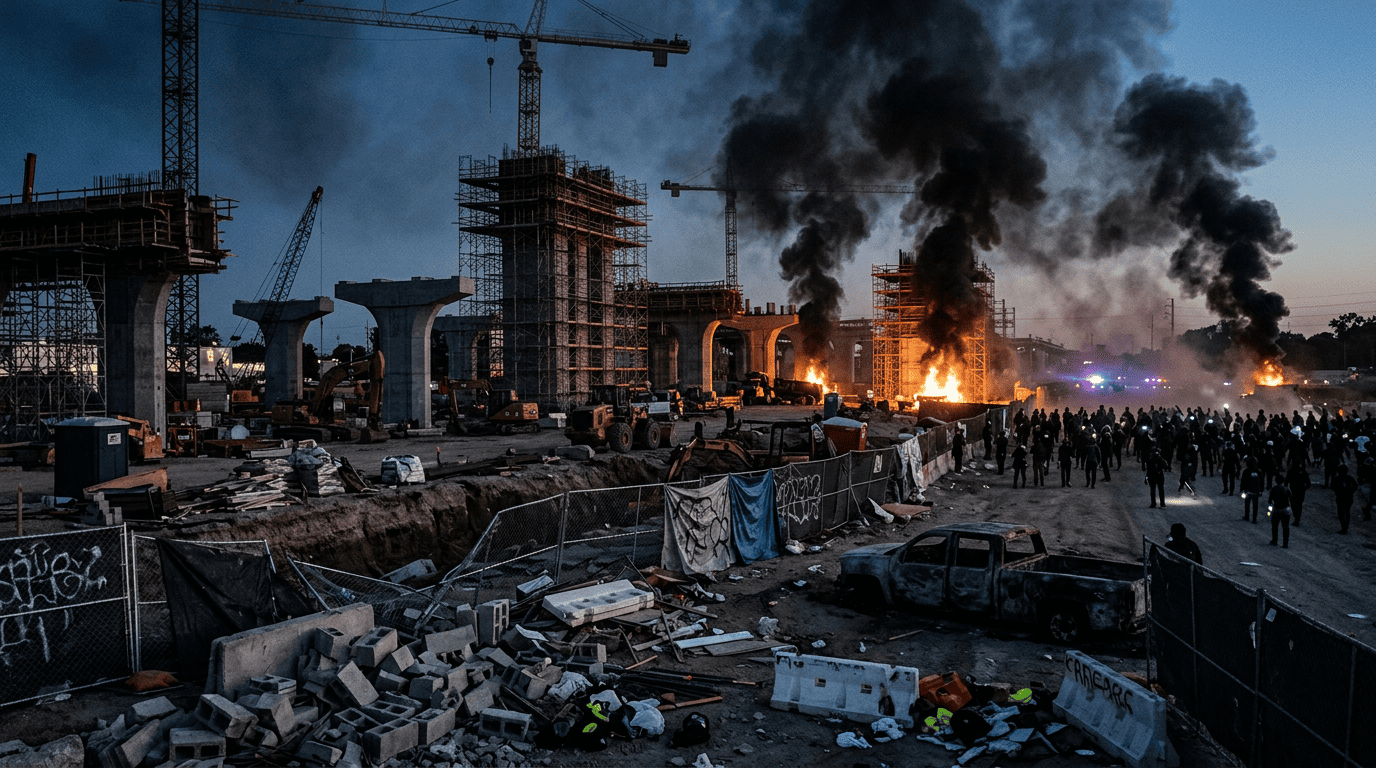
Cover for Riot, Strike Civil Commotion in Project Insurance Policies
April 16, 2026
SRE-TUW-05-INFRA-APR-26
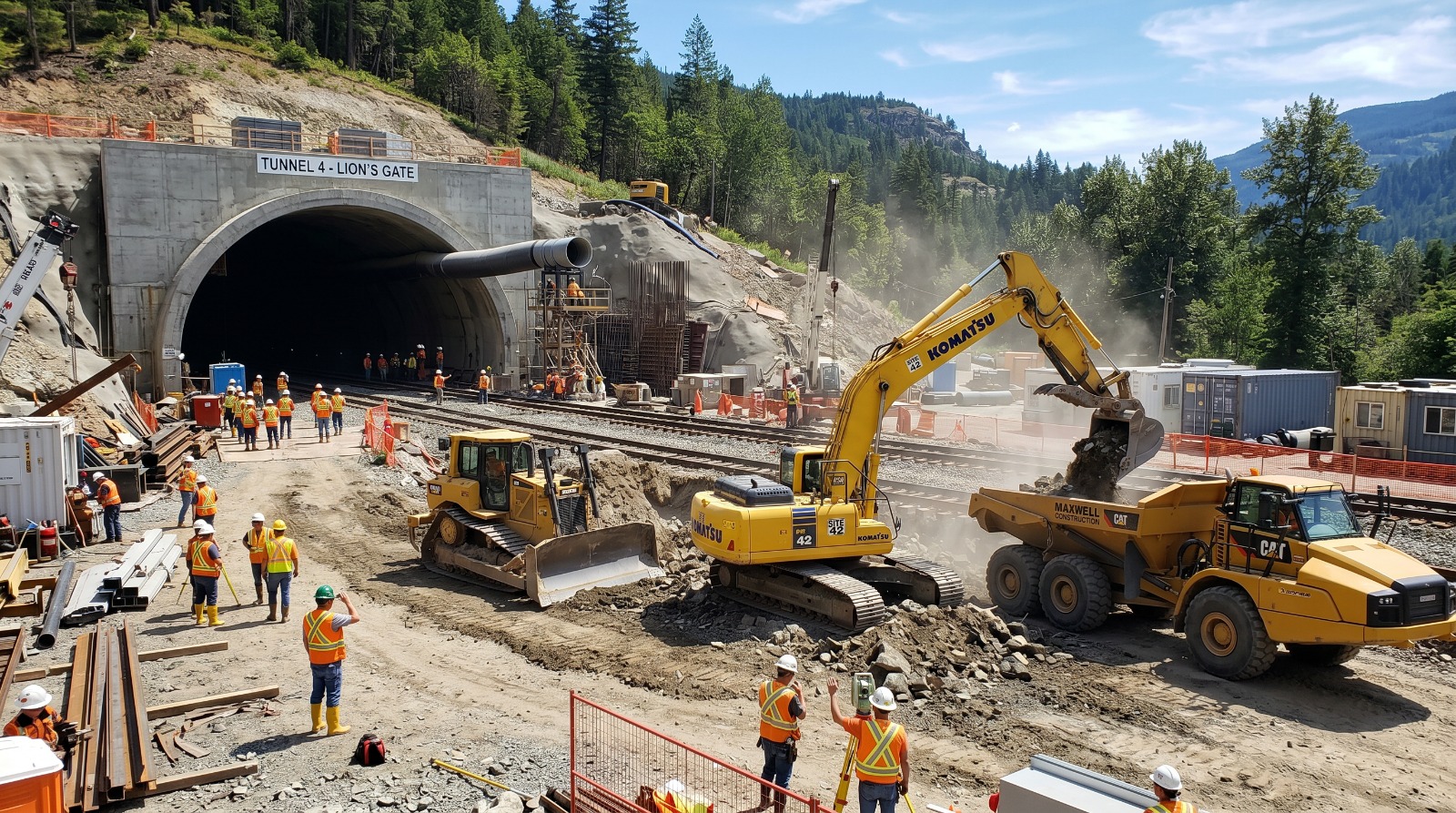
Underwriting Considerations of Contractor’s All Risk Policy for Tunnelling Project
June 25, 2026
SRE-TUW-06-RAIL-INFRA-JUNE-26
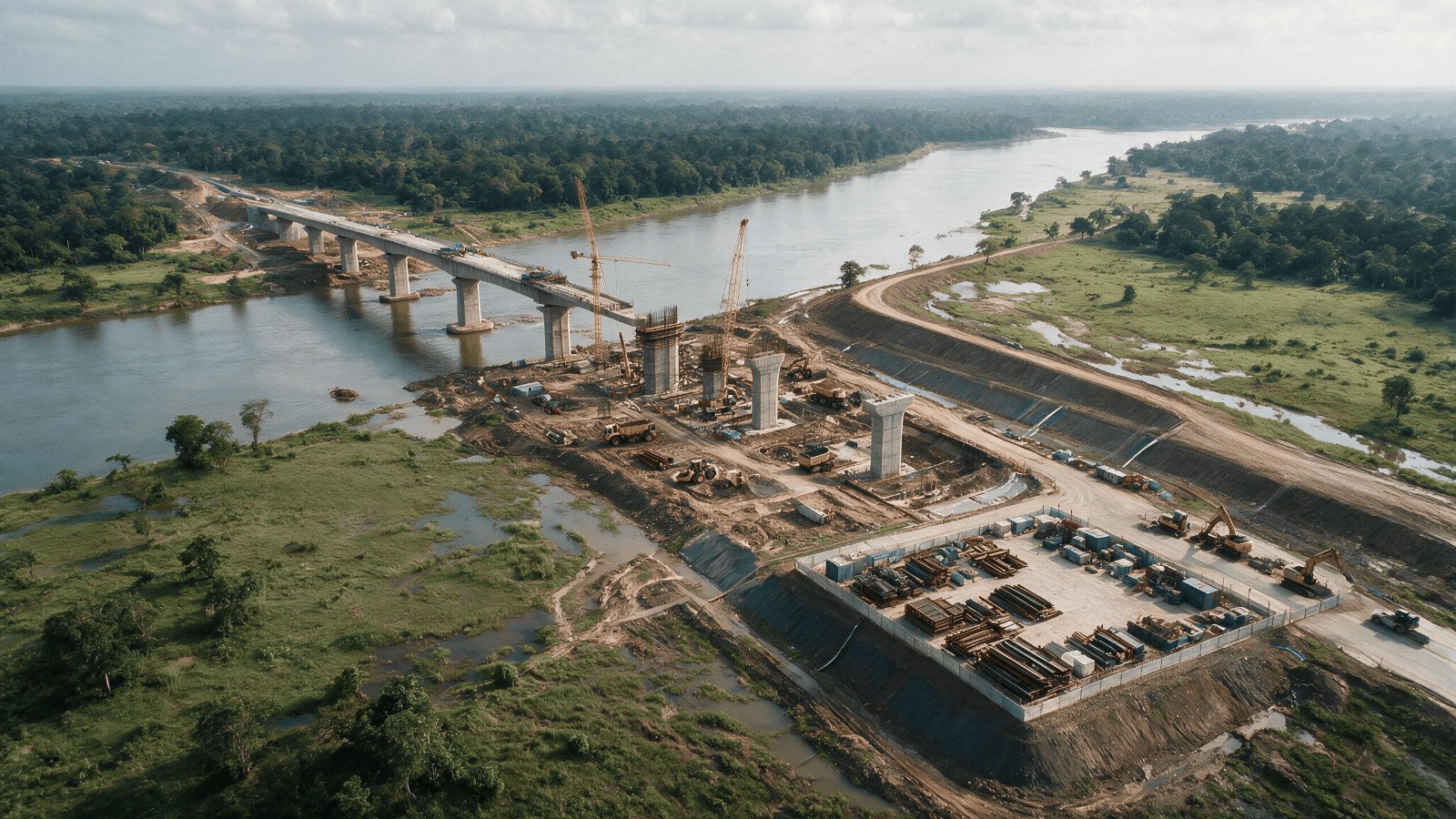
Significance of Return Period for Floods in Underwriting Construction Insurance
August 20, 2026
SRE-TUW-07-INFRA-CONSTRUCTION-AUG-26
 November 17, 2025
 SRE-TUW-01-PWR-NOV-25
Get a Structured Risk Strategy Tailored to Your Needs.