
 Iron & Steel
 Power
Power
 Plywood & Lamination
 Sugar
Sugar
 Tea
Tea
 Oil & Gas
 Solar & Wind
 Agriculture
 Chemical
 Food Product
 Real Estate & Construction
 Logistics
 Automobile

.jpg)





Underwriting Considerations of Contractor’s All Risk Policy for Tunnelling Project
Executive Summary:
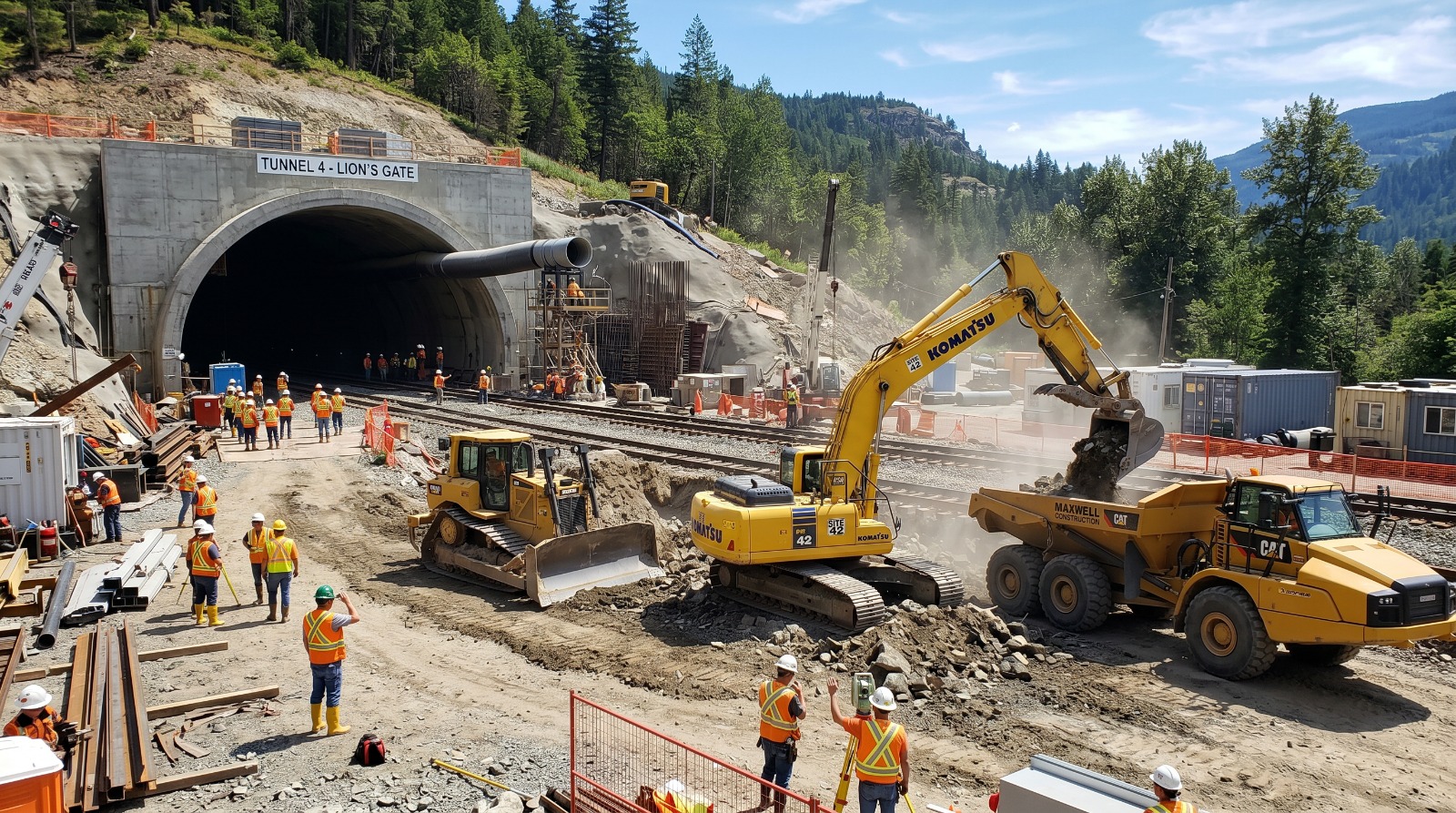
A Case Study of a proposal for providing Contractor's All Risks (CAR) Insurance coverage for the construction of a 12 km railway line project located in the hilly terrain of North-East India is evaluated as follows. Approximately 8 km (67%) of the project consists of tunnel excavation and construction using the New Austrian Tunnelling Method (NATM).
From an underwriting perspective, this represents a technically challenging and high-hazard infrastructure risk owing to the substantial tunnelling exposure, geological uncertainty, seismic vulnerability, difficult terrain, and the inherent complexities associated with NATM construction methodology.
However, the project is being executed by a reputed and experienced Indian infrastructure contractor with proven expertise in tunnel construction, which provides significant underwriting comfort.
Subject to satisfactory review of geotechnical reports, engineering controls, contractor credentials, and reinsurance support, the risk may be considered acceptable on controlled terms with enhanced deductibles and specific tunnel-related warranties.
Project Profile:
| Particulars | Description |
|---|---|
| Project Type | Railway Infrastructure Project |
| Total Length | 12 km |
| Tunnel Length | 8 km |
| Tunnel Percentage | 67% of Project Length |
| Construction Method | NATM (New Austrian Tunnelling Method) |
| Location | North-East India |
| Terrain | Mountainous / Hilly |
| Seismic Exposure | High (Zone IV/V) |
| Estimated Project Cost | INR 2,500 Crores (Indicative) |
| Construction Period | 48 Months |
| Contractor | Leading Indian Civil Contractor |
Strategic Underwriting Considerations:
Tunnel construction projects are universally regarded as one of the most complex and technically demanding classes of construction risks. The proposed railway project presents a particularly challenging underwriting proposition due to the significant proportion of tunnel works, the geological characteristics of the project location, and the construction methodology being adopted. Approximately 67% of the project length comprises tunnel excavation and construction, resulting in a substantial concentration of risk underground where visibility is limited and unforeseen geological conditions can significantly influence construction outcomes. Consequently, the underwriting assessment must focus not only on the civil works themselves but also on the interaction between the excavation methodology and the prevailing ground conditions.
The project proposes the use of the New Austrian Tunnelling Method (NATM), which is widely recognized as an effective methodology for tunnel construction in variable geological formations. However, unlike Tunnel Boring Machine (TBM) operations, NATM relies heavily on continuous geological observation, engineering judgment, sequential excavation techniques, and the timely installation of support systems such as shotcrete, rock bolts, and steel ribs. The success of the methodology is therefore dependent upon the experience and technical competence of the contractor, geologists, and site engineers. Any deficiencies in monitoring, interpretation of geological conditions, or support installation can materially increase the likelihood of tunnel instability and collapse.
The geographical location of the project in the hilly terrain of North-East India introduces an additional layer of complexity. The region is characterized by highly variable geology, faulted and fractured rock formations, high groundwater tables, intense monsoon rainfall, and elevated seismic activity. These conditions increase the probability of encountering adverse ground behavior, water ingress, landslides, and slope instability during construction. As a result, the project exhibits several characteristics typically associated with high-hazard tunnelling risks and warrants enhanced underwriting scrutiny, detailed engineering evaluation, and the application of specific risk control measures and policy warranties.
Key Risk Exposures:
The most significant exposure associated with the project is tunnel collapse, which represents the largest potential source of loss under the Contractor's All Risks policy. Tunnel collapses may arise from unforeseen geological conditions, weak rock formations, excessive deformation, delayed installation of support systems, or construction errors. Such events can result in extensive physical damage to the tunnel works, costly re-excavation activities, prolonged project delays, and substantial claim severity.
Another critical exposure is water ingress. The presence of groundwater-bearing strata and the possibility of encountering high-pressure aquifers during excavation create the risk of sudden inflows of water into the tunnel. Such incidents can lead to flooding of excavation faces, damage to equipment and temporary works, destabilization of surrounding ground conditions, and failure of installed support systems. In severe cases, water ingress can escalate into a major loss event requiring extensive remedial works and resulting in significant project delays.
The project is also exposed to landslide and slope stability risks due to its location in mountainous terrain subject to heavy seasonal rainfall. Tunnel portals, approach roads, construction camps, and material storage areas may be vulnerable to slope failures during monsoon periods. Landslides can disrupt construction activities, damage completed works, and create additional safety hazards for personnel and equipment.
Furthermore, the location of the project within one of India's higher seismic zones introduces earthquake-related exposure. Seismic events may trigger ground movement, induce cracking or distortion in temporary and permanent tunnel support systems, and increase the likelihood of landslides and ground instability. Although tunnel structures generally perform well under seismic loading when properly designed, the construction phase remains particularly vulnerable due to the presence of temporary supports and partially completed works.
Positive Underwriting Features:
Despite the challenging risk characteristics associated with the project, several factors provide significant underwriting comfort. Foremost among these is the involvement of a reputed Indian civil engineering contractor with established expertise in the execution of large-scale tunnel construction projects. Demonstrated experience in NATM tunnelling, availability of specialized engineering personnel, strong project management capabilities, and a proven track record in executing similar infrastructure projects substantially improve confidence in the contractor's ability to manage the inherent construction risks.
The nature of the project as a strategic railway infrastructure development also contributes positively to the underwriting assessment. Railway projects are typically subject to rigorous technical supervision, detailed design review processes, and stringent quality assurance standards imposed by the project owner and engineering consultants. Such oversight generally results in stronger governance and more disciplined risk management practices throughout the construction period.
Additionally, the selection of NATM as the tunnelling methodology is technically appropriate for the variable geological conditions commonly encountered in mountainous regions. NATM offers flexibility in adapting support systems to changing ground conditions and has been successfully employed in numerous Himalayan and North-Eastern tunnelling projects. When supported by robust monitoring systems and experienced personnel, the methodology can effectively manage complex geological environments and contribute to the safe and efficient execution of the works.
A strict policy warranty should limit unsupported excavation lengths.
Recommended Warranty:
"No unsupported excavation shall exceed 10 metres per face at any time."
This is considered a critical risk control measure for limiting collapse accumulation and controlling claim severity.
Risk Mitigation Requirements:
Given the elevated risk profile of the project, the provision of insurance coverage should be contingent upon the implementation and maintenance of comprehensive risk mitigation measures throughout the construction period. A detailed geotechnical investigation programme should be undertaken and supported by a Geological Baseline Report that clearly identifies anticipated ground conditions, fault zones, groundwater conditions, and other geological hazards likely to be encountered during excavation. Where appropriate, independent engineering review of critical design elements should also be considered.
Continuous monitoring of tunnel behaviour and surrounding ground conditions will be essential for effective risk management. The contractor should maintain an extensive instrumentation programme incorporating convergence monitoring, settlement measurements, groundwater pressure monitoring, and deformation monitoring through the use of extensometers, inclinometers, piezometers, and settlement markers. Real-time analysis of monitoring data should enable early identification of adverse trends and facilitate timely corrective action.
Particular emphasis should be placed on groundwater management due to the potentially severe consequences of water ingress. The contractor should conduct systematic probe drilling ahead of excavation faces to identify water-bearing strata and implement adequate dewatering arrangements supported by standby pumping systems and emergency response procedures. These measures are critical in minimizing the probability and severity of flooding incidents.
In addition, strict controls should be imposed on excavation sequences and unsupported tunnel lengths. As a fundamental underwriting requirement, the policy should incorporate a warranty limiting unsupported excavation to a maximum of ten metres per face at any point in time. This condition is widely recognized within the international insurance market as one of the most effective mechanisms for controlling collapse exposure, restricting the extent of potential damage, and reducing claim severity. Compliance with approved support installation procedures and excavation sequences should be monitored throughout the project duration to ensure that the risk profile remains within acceptable underwriting parameters.
Proposed Insurance Terms:
-
Indicative Sum Insured
INR 2,500 Crores -
Suggested Premium Rate
Considering:
- 67% NATM tunnelling exposure
- North-East terrain
- Seismic exposure
- Contractor quality
- Reinsurance market appetite
0.55% – 0.75% is considered reasonable.
Recommended Technical Rate: 0.65%
Estimated Gross Premium:
INR 16.25 Crores
(excluding taxes and optional extensions)
Recommended Deductibles:
| Peril | Deductible |
|---|---|
| Standard CAR Loss | INR 50 Lakhs |
| Tunnel Collapse/AOG | INR 2 Crores each occurrence |
| Third Party Property Damage | INR 10 Lakhs |
Underwriting Recommendation:
After evaluating the engineering, geological and construction characteristics of the project, the risk is considered:
High Hazard but Acceptable
Subject to:
- Detailed engineering review
- Satisfactory geotechnical investigations
- Compliance with tunnel warranties
- Enhanced deductibles
- Reinsurance concurrence
The contractor's experience and the strategic nature of the project provide meaningful risk mitigation, although the tunnelling concentration and challenging geological environment necessitate disciplined underwriting controls.
Underwriting Case Study For Staged Commissioning Of Thermal Power Plant
 November 17, 2025
 SRE-TUW-01-PWR-NOV-25

Case Study on Abandonment of Insured Property after loss
December 13, 2025
SRE-TUW-02-IAR-MEGA-DEC-25

Inter-Site Movement, One Policy Solution - Case Study on Inland Transit Extension in Erection All Risks Insurance Policy
February 9, 2026
SRE-TUW-03-EAR-FEB-09
Heritage Facade Retention, One Structured Solution – Case Study on CAR & DSU Integration for a UNESCO Railway Redevelopment Project
February 20, 2026
SRE-TUW-04-EAR-DSU-FEB-20

Cover for Riot, Strike Civil Commotion in Project Insurance Policies
April 16, 2026
SRE-TUW-05-INFRA-APR-26
Significance of Return Period for Floods in Underwriting Construction Insurance
August 20, 2026
SRE-TUW-07-INFRA-CONSTRUCTION-AUG-26
 November 17, 2025
 SRE-TUW-01-PWR-NOV-25
Get a Structured Risk Strategy Tailored to Your Needs.